BuyWise checklist blog
Before Applying to University: Complete Buying Checklist
This checklist helps verify academic fit, financial sustainability, location suitability, support services, and graduation outcomes before committing to a university application.
Introduction
This applying to university checklist helps you make a clearer decision before money leaves your account. Instead of juggling scattered advice, you work through a practical sequence designed for real-world buying.
This checklist helps verify academic fit, financial sustainability, location suitability, support services, and graduation outcomes before committing to a university application.
Use the sections below as a working framework. Tick what you can verify now, flag what is still unclear, and only proceed when the important unknowns are resolved.
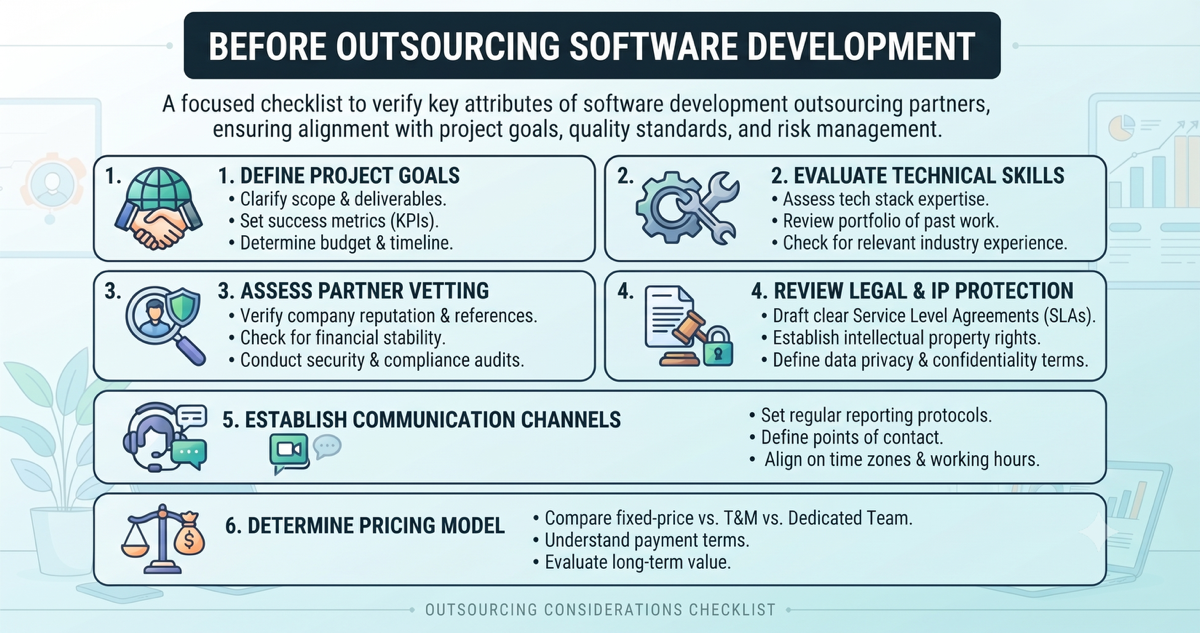
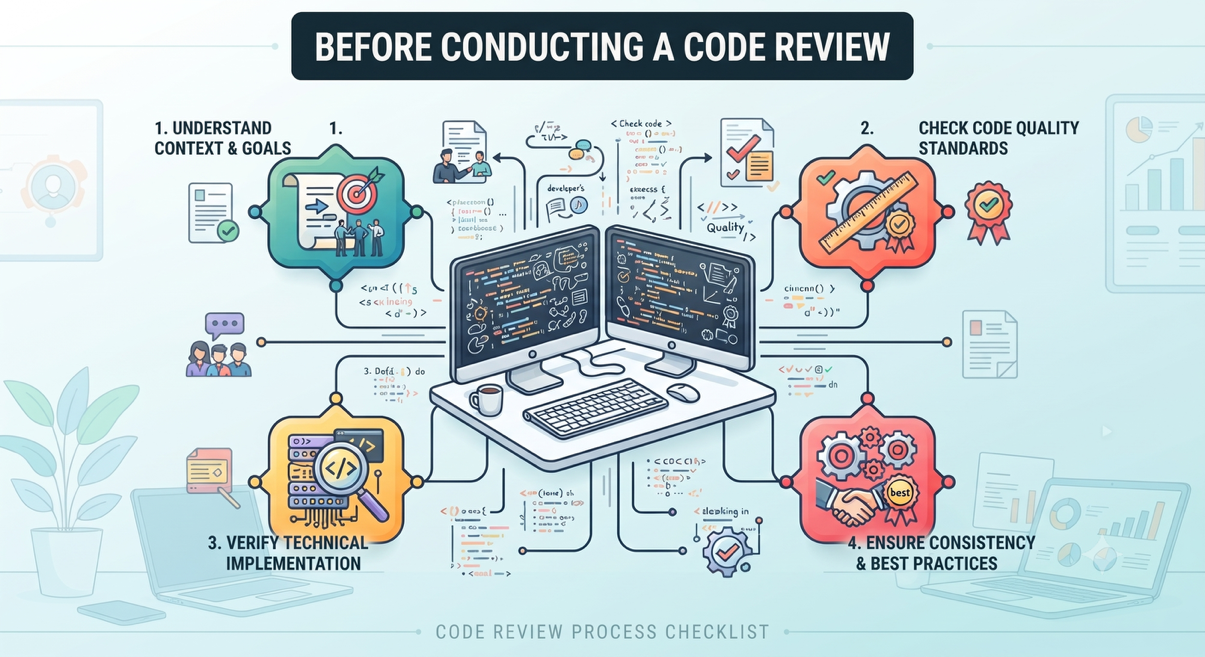
Related BuyWise guides: How to Optimize Console Storage Management · Before Outsourcing Software Development · Before Hiring Software Engineers · Before Conducting a Code Review · Before Selling Your Home.
Why this checklist matters
Buying Applying to University is rarely about one feature. Total cost, reliability, paperwork, and post-purchase support all affect whether the decision still feels smart weeks later.
A structured checklist creates accountability: every important concern becomes an explicit step. That is especially useful when sales pressure or information overload kicks in.
In Education, small missed details often become expensive corrections. Completing this guide before commitment is usually cheaper than fixing a rushed purchase.
Complete checklist
Work through each section in order. Every item below includes practical guidance so you know what “done” looks like before you buy.
Program Accreditation
5 items1.Confirm the university holds regional accreditation from a recognized agency (e.g., MSCHE, WASC, NECHE) by checking the CHEA database.
Inspect carefully in person or via a trusted checklist walkthrough. Look for defects, missing parts, and mismatches with the listing before you commit to Applying to University.
2.Verify the specific program is accredited by the appropriate professional agency (e.g., ABET for engineering, AACSB for business) using the agency's official website.
Inspect carefully in person or via a trusted checklist walkthrough. Look for defects, missing parts, and mismatches with the listing before you commit to Applying to University.
3.Check the accreditation expiration date on the accrediting agency's report and ensure it remains valid for the intended enrollment year.
Inspect carefully in person or via a trusted checklist walkthrough. Look for defects, missing parts, and mismatches with the listing before you commit to Applying to University.
4.Identify any pending accreditation review or sanctions listed in the latest accreditation report that could affect program continuity or transferability.
Inspect carefully in person or via a trusted checklist walkthrough. Look for defects, missing parts, and mismatches with the listing before you commit to Applying to University.
5.Cross-reference the accrediting body’s recognition status with the U.S. Department of Education or Council for Higher Education Accreditation to confirm legitimacy.
Treat “Cross-reference the accrediting body’s recognition status with the U.S. Department of Education or Council for Higher Education Accreditation to confirm legitimacy.” as a decision gate, not a formality. Confirm the facts, note any uncertainty, and only proceed with Applying to University when this point is clearly resolved.
Net Price Projection
5 items1.Obtain a personalized net price calculation from each target university using their official net price calculator, inputting accurate family income, assets, and number of dependents.
Compare total cost of ownership, not just the sticker price. Include taxes, delivery, setup, accessories, and likely maintenance for Applying to University so your budget stays realistic.
2.Compare the calculated net price with the family's annual disposable income to determine if the remaining amount after expenses is sustainable.
Compare total cost of ownership, not just the sticker price. Include taxes, delivery, setup, accessories, and likely maintenance for Applying to University so your budget stays realistic.
3.Review the breakdown of aid packages (grants, scholarships, work-study) to ensure no expected aid is listed as 'loan' or requires repayment.
Inspect carefully in person or via a trusted checklist walkthrough. Look for defects, missing parts, and mismatches with the listing before you commit to Applying to University.
4.Verify that the projected net price accounts for potential changes in financial aid eligibility due to changes in family circumstances or inflation rates.
Compare total cost of ownership, not just the sticker price. Include taxes, delivery, setup, accessories, and likely maintenance for Applying to University so your budget stays realistic.
5.Calculate the cumulative debt if the family cannot fully cover the net price, and ensure the projected monthly loan payments post-graduation are within an acceptable range (e.g., less than 10% of expected starting salary).
Compare total cost of ownership, not just the sticker price. Include taxes, delivery, setup, accessories, and likely maintenance for Applying to University so your budget stays realistic.
Commute Impact
5 items1.Verify campus housing capacity versus projected enrollment growth for the next 4 years; look for housing deficit percentages in university planning documents
Inspect carefully in person or via a trusted checklist walkthrough. Look for defects, missing parts, and mismatches with the listing before you commit to Applying to University.
2.Check public transit access score (e.g., Walk Score, Transit Score) for campus front gate; confirm minimum 70+ score for reliable service
Inspect carefully in person or via a trusted checklist walkthrough. Look for defects, missing parts, and mismatches with the listing before you commit to Applying to University.
3.Measure average off-campus commute time to 3 major employment hubs using current traffic data (e.g., Google Maps, Waze); ensure no single route exceeds 45 minutes one-way
Measure twice and match specifications to your real constraints. Compatibility mistakes are one of the most expensive errors with Applying to University.
4.Identify any planned road constructions or transit line disruptions within 2 miles of campus for the next 3 years that could increase commute times by >10%
Treat “Identify any planned road constructions or transit line disruptions within 2 miles of campus for the next 3 years that could increase commute times by >10%” as a decision gate, not a formality. Confirm the facts, note any uncertainty, and only proceed with Applying to University when this point is clearly resolved.
5.Confirm availability of secure bike storage near campus entrances with capacity >= 20% of student population
Treat safety and fraud checks as non-negotiable. If anything feels rushed, opaque, or pressured, pause and verify before continuing with Applying to University.
Support Service Metrics
5 items1.Verify student counseling staff-to-enrollment ratio is at least 1:1000, with documented weekly availability hours
Inspect carefully in person or via a trusted checklist walkthrough. Look for defects, missing parts, and mismatches with the listing before you commit to Applying to University.
2.Confirm academic advising session wait times are under 10 business days for new students during registration periods
Treat “Confirm academic advising session wait times are under 10 business days for new students during registration periods” as a decision gate, not a formality. Confirm the facts, note any uncertainty, and only proceed with Applying to University when this point is clearly resolved.
3.Check career center placement rates for each major, ensuring at least 70% of graduated students secured relevant employment within 6 months
Inspect carefully in person or via a trusted checklist walkthrough. Look for defects, missing parts, and mismatches with the listing before you commit to Applying to University.
4.Review first-year retention rates, confirming they meet or exceed the national average for similar institutions (typically above 85%)
Inspect carefully in person or via a trusted checklist walkthrough. Look for defects, missing parts, and mismatches with the listing before you commit to Applying to University.
5.Red flag if any support service metrics are missing, undisclosed, or significantly below published benchmarks
Treat safety and fraud checks as non-negotiable. If anything feels rushed, opaque, or pressured, pause and verify before continuing with Applying to University.
Graduate Salary Data
5 items1.Verify the university's official 6-year post-graduation median earnings report for your intended major from the U.S. Department of Education's College Scorecard
Inspect carefully in person or via a trusted checklist walkthrough. Look for defects, missing parts, and mismatches with the listing before you commit to Applying to University.
2.Check employment-to-graduation ratio for your major at the institution—ratios below 60% may indicate difficulty securing relevant employment
Inspect carefully in person or via a trusted checklist walkthrough. Look for defects, missing parts, and mismatches with the listing before you commit to Applying to University.
3.Confirm whether the major is recognized by major industry associations or professional bodies (e.g., ABET for engineering) to ensure credential portability
Treat “Confirm whether the major is recognized by major industry associations or professional bodies (e.g., ABET for engineering) to ensure credential portability” as a decision gate, not a formality. Confirm the facts, note any uncertainty, and only proceed with Applying to University when this point is clearly resolved.
4.Compare median salaries for your major across at least three peer institutions to identify outliers or unusually low pay rates
Shortlist 2–3 strong alternatives and compare them on the criteria that matter most for Education. Write down trade-offs so you do not decide from memory alone.
5.Review recent graduate placement data for your program to ensure at least 70% of graduates obtain full-time, degree-related employment within six months of graduation
Inspect carefully in person or via a trusted checklist walkthrough. Look for defects, missing parts, and mismatches with the listing before you commit to Applying to University.
Common mistakes
- Letting urgency or scarcity pressure override unfinished checklist items.
- Skipping a second quote or comparison and accepting the first “good enough” option for Applying to University.
- Focusing only on upfront price while ignoring fees, maintenance, or replacement risk.
- Trusting marketing claims without verifying specs, condition, or seller policies.
Expert buying tips
- Capture evidence as you go—photos, screenshots, model numbers, and written quotes.
- Decide your walk-away conditions in advance (budget ceiling, deal-breakers, timing).
- Revisit the checklist after sleep or a short break; fresh eyes catch expensive misses.
- If a seller resists verification, treat that as a signal—not a negotiation tactic.
Frequently asked questions
What is a Applying to University checklist?
A Applying to University checklist is a structured set of checks to complete before you buy. BuyWise organizes the process into sections such as Program Accreditation, Net Price Projection, Commute Impact so you do not miss costly details.
Why should I use a checklist before buying Applying to University?
Most buying regrets come from skipped details—compatibility, total cost, warranty, or seller risk. A checklist forces those checks into a clear order so your education decision is calmer and more complete.
How long does the applying to university checklist take?
Most people can work through the core checks in one focused session, then revisit anything unresolved. Complex purchases may need a second pass after quotes, inspections, or comparisons.
What are common mistakes when buying Applying to University?
Rushing the decision, comparing only sticker price, skipping paperwork, and ignoring return or warranty terms. The sections in this guide are designed to catch those failure points early.
Is this applying to university checklist free?
Yes. This guide is free to read on the web, and you can also open it in the BuyWise app to tick items and save progress offline.
Can I customize this checklist?
In the BuyWise app you can track progress, keep notes, and build personal checklists for decisions that need extra steps beyond this published framework.
Who is this checklist for?
Anyone preparing to buy Applying to University—first-time buyers, careful researchers, and people who want a repeatable framework instead of scattered notes across tabs and chats.
How is BuyWise different from a random blog list?
BuyWise checklists are structured for action: ordered sections, tickable items, offline progress, and related guides for the next decision in the same buying journey.
Conclusion
If you complete the checks in this applying to university checklist, you will know what is verified, what is still open, and whether the purchase deserves a yes.
Open the same checklist in the BuyWise app to track progress offline, revisit unfinished items, and continue into related buying guides when the next decision appears.