BuyWise checklist blog
Before Building a Personal Brand: Complete Buying Checklist
This checklist helps you evaluate key elements to ensure your personal brand is authentic, professional, and effectively reaches your target audience.
Introduction
This building a personal brand checklist helps you make a clearer decision before money leaves your account. Instead of juggling scattered advice, you work through a practical sequence designed for real-world buying.
This checklist helps you evaluate key elements to ensure your personal brand is authentic, professional, and effectively reaches your target audience.
Use the sections below as a working framework. Tick what you can verify now, flag what is still unclear, and only proceed when the important unknowns are resolved.
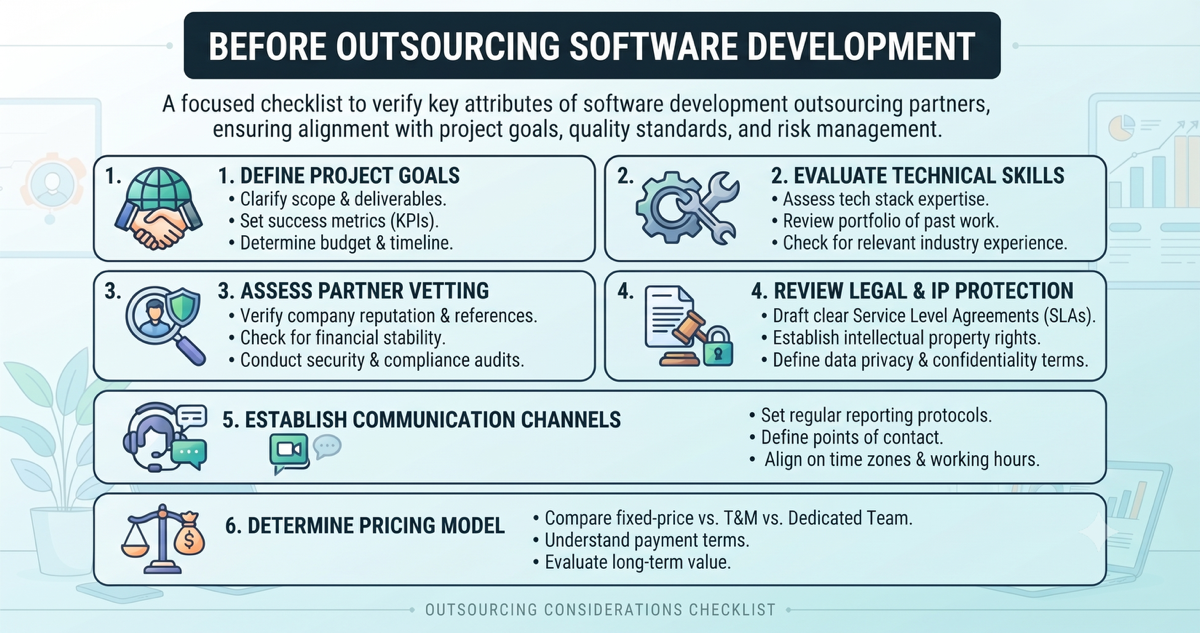
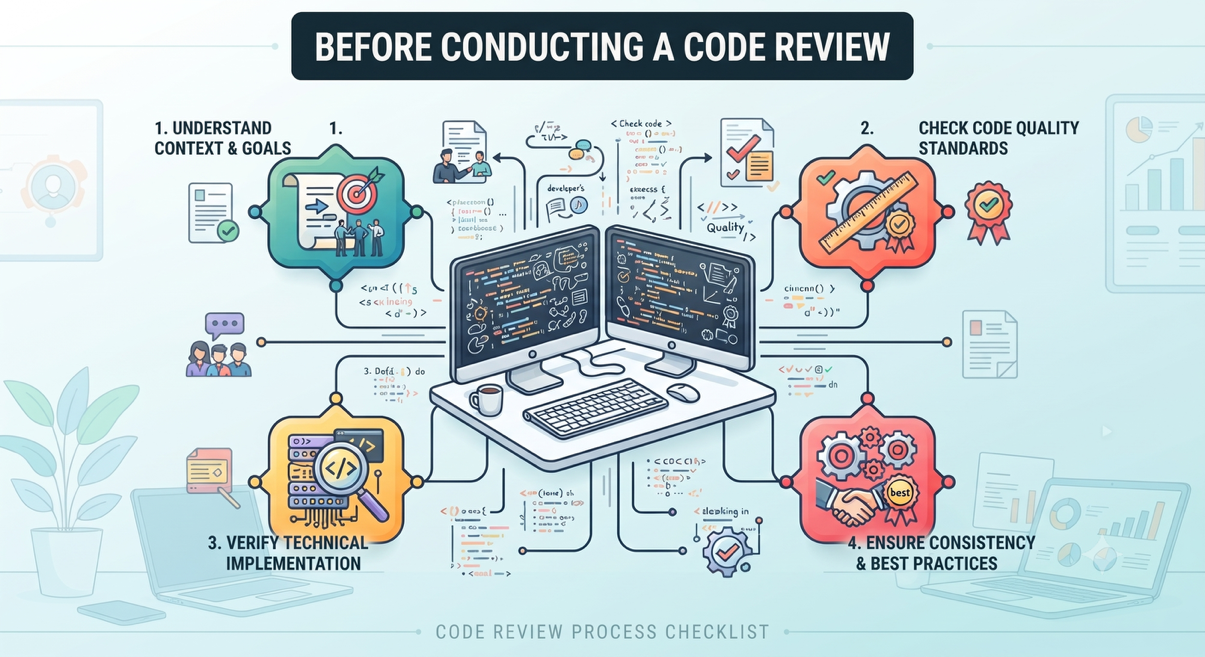
Related BuyWise guides: How to Optimize Console Storage Management · Before Outsourcing Software Development · Before Hiring Software Engineers · Before Conducting a Code Review · Before Selling Your Home.
Why this checklist matters
Buying Building a Personal Brand is rarely about one feature. Total cost, reliability, paperwork, and post-purchase support all affect whether the decision still feels smart weeks later.
A structured checklist creates accountability: every important concern becomes an explicit step. That is especially useful when sales pressure or information overload kicks in.
In Career, small missed details often become expensive corrections. Completing this guide before commitment is usually cheaper than fixing a rushed purchase.
Complete checklist
Work through each section in order. Every item below includes practical guidance so you know what “done” looks like before you buy.
Brand Identity Clarity
4 items1.Draft a one-sentence mission statement that can be tested for clarity by ensuring 3 unrelated people understand your core purpose in under 10 seconds.
Inspect carefully in person or via a trusted checklist walkthrough. Look for defects, missing parts, and mismatches with the listing before you commit to Building a Personal Brand.
2.Define three core values and verify they are non-overlapping by checking for >70% distinct word usage in their definitions.
Inspect carefully in person or via a trusted checklist walkthrough. Look for defects, missing parts, and mismatches with the listing before you commit to Building a Personal Brand.
3.Create a color palette with at least two primary colors and one accent color, ensuring contrast ratios meet WCAG 2.1 AA standards for text legibility.
Treat “Create a color palette with at least two primary colors and one accent color, ensuring contrast ratios meet WCAG 2.1 AA standards for text legibility.” as a decision gate, not a formality. Confirm the facts, note any uncertainty, and only proceed with Building a Personal Brand when this point is clearly resolved.
4.Produce a logo in SVG format that scales to 50px × 50px without loss of detail or distortion.
Treat “Produce a logo in SVG format that scales to 50px × 50px without loss of detail or distortion.” as a decision gate, not a formality. Confirm the facts, note any uncertainty, and only proceed with Building a Personal Brand when this point is clearly resolved.
Target Audience Definition
4 items1.Create a demographic profile with specific age ranges, genders, locations, and income brackets for your audience
Match the exact model and specs to your needs. Marketing language can hide important differences that affect long-term satisfaction with Building a Personal Brand.
2.Identify at least three psychographic traits (e.g., values, interests, lifestyle) and verify alignment with your brand values through surveys
Inspect carefully in person or via a trusted checklist walkthrough. Look for defects, missing parts, and mismatches with the listing before you commit to Building a Personal Brand.
3.Analyze behavioral data: determine average spending habits, purchase frequency, and preferred platforms (social media, search engines) of your target audience
Treat “Analyze behavioral data: determine average spending habits, purchase frequency, and preferred platforms (social media, search engines) of your target audience” as a decision gate, not a formality. Confirm the facts, note any uncertainty, and only proceed with Building a Personal Brand when this point is clearly resolved.
4.Conduct competitor audience analysis to identify gaps and ensure your target audience is not already saturated by similar brands
Match the exact model and specs to your needs. Marketing language can hide important differences that affect long-term satisfaction with Building a Personal Brand.
Content Strategy Alignment
4 items1.Verify audience demographics match content topics using platform analytics (age, location, interests)
Inspect carefully in person or via a trusted checklist walkthrough. Look for defects, missing parts, and mismatches with the listing before you commit to Building a Personal Brand.
2.Test brand voice consistency across 5 sample posts by scoring tone against a defined brand voice guide (e.g., professional vs. casual)
Inspect carefully in person or via a trusted checklist walkthrough. Look for defects, missing parts, and mismatches with the listing before you commit to Building a Personal Brand.
3.Confirm content formats (video, blog, infographic) align with audience preferences using engagement metrics from past posts
Treat “Confirm content formats (video, blog, infographic) align with audience preferences using engagement metrics from past posts” as a decision gate, not a formality. Confirm the facts, note any uncertainty, and only proceed with Building a Personal Brand when this point is clearly resolved.
4.Identify any mismatched content type by reviewing top 3 underperforming posts and note format discrepancies
Inspect carefully in person or via a trusted checklist walkthrough. Look for defects, missing parts, and mismatches with the listing before you commit to Building a Personal Brand.
Digital Presence Audit
4 items1.Verify all social media profiles (LinkedIn, Twitter, Instagram, Facebook) use the same professional headshot, consistent name spelling, and identical bio summary limited to 150 characters.
Inspect carefully in person or via a trusted checklist walkthrough. Look for defects, missing parts, and mismatches with the listing before you commit to Building a Personal Brand.
2.Confirm every platform’s URL (e.g., linkedin.com/in/yourname, twitter.com/yourhandle) redirects to an active, up-to-date profile — no 404 errors or parked domain pages.
Treat “Confirm every platform’s URL (e.g., linkedin.com/in/yourname, twitter.com/yourhandle) redirects to an active, up-to-date profile — no 404 errors or parked domain pages.” as a decision gate, not a formality. Confirm the facts, note any uncertainty, and only proceed with Building a Personal Brand when this point is clearly resolved.
3.Run a Google search for your full name and note any unclaimed or outdated profiles (e.g., old blog, forum account) — initiate claims or request removal if non-professional.
Treat “Run a Google search for your full name and note any unclaimed or outdated profiles (e.g., old blog, forum account) — initiate claims or request removal if non-professional.” as a decision gate, not a formality. Confirm the facts, note any uncertainty, and only proceed with Building a Personal Brand when this point is clearly resolved.
4.Danger: Identify any profile with outdated contact info (email, phone) that could expose you to spam or phishing attempts — update immediately or remove the field.
Treat “Danger: Identify any profile with outdated contact info (email, phone) that could expose you to spam or phishing attempts — update immediately or remove the field.” as a decision gate, not a formality. Confirm the facts, note any uncertainty, and only proceed with Building a Personal Brand when this point is clearly resolved.
Performance Measurement Plan
4 items1.Define at least three primary KPIs (e.g., website traffic growth rate, social media engagement rate, conversion rate) and set specific, measurable targets for each over the next six months.
Match the exact model and specs to your needs. Marketing language can hide important differences that affect long-term satisfaction with Building a Personal Brand.
2.Select and configure analytics tools (e.g., Google Analytics, social media insights) to track all defined KPIs in real-time and ensure data collection is correctly set up.
Treat “Select and configure analytics tools (e.g., Google Analytics, social media insights) to track all defined KPIs in real-time and ensure data collection is correctly set up.” as a decision gate, not a formality. Confirm the facts, note any uncertainty, and only proceed with Building a Personal Brand when this point is clearly resolved.
3.Establish a monthly reporting schedule that includes a detailed review of KPI performance against targets, variance analysis, and documented action plans for underperforming areas.
Inspect carefully in person or via a trusted checklist walkthrough. Look for defects, missing parts, and mismatches with the listing before you commit to Building a Personal Brand.
4.Implement a system to archive and compare monthly performance reports to identify trends, seasonal patterns, and long-term progress toward brand objectives.
Shortlist 2–3 strong alternatives and compare them on the criteria that matter most for Career. Write down trade-offs so you do not decide from memory alone.
Common mistakes
- Letting urgency or scarcity pressure override unfinished checklist items.
- Skipping a second quote or comparison and accepting the first “good enough” option for Building a Personal Brand.
- Focusing only on upfront price while ignoring fees, maintenance, or replacement risk.
- Trusting marketing claims without verifying specs, condition, or seller policies.
Expert buying tips
- Capture evidence as you go—photos, screenshots, model numbers, and written quotes.
- Decide your walk-away conditions in advance (budget ceiling, deal-breakers, timing).
- Revisit the checklist after sleep or a short break; fresh eyes catch expensive misses.
- If a seller resists verification, treat that as a signal—not a negotiation tactic.
Frequently asked questions
What is a Building a Personal Brand checklist?
A Building a Personal Brand checklist is a structured set of checks to complete before you buy. BuyWise organizes the process into sections such as Brand Identity Clarity, Target Audience Definition, Content Strategy Alignment so you do not miss costly details.
Why should I use a checklist before buying Building a Personal Brand?
Most buying regrets come from skipped details—compatibility, total cost, warranty, or seller risk. A checklist forces those checks into a clear order so your career decision is calmer and more complete.
How long does the building a personal brand checklist take?
Most people can work through the core checks in one focused session, then revisit anything unresolved. Complex purchases may need a second pass after quotes, inspections, or comparisons.
What are common mistakes when buying Building a Personal Brand?
Rushing the decision, comparing only sticker price, skipping paperwork, and ignoring return or warranty terms. The sections in this guide are designed to catch those failure points early.
Is this building a personal brand checklist free?
Yes. This guide is free to read on the web, and you can also open it in the BuyWise app to tick items and save progress offline.
Can I customize this checklist?
In the BuyWise app you can track progress, keep notes, and build personal checklists for decisions that need extra steps beyond this published framework.
Who is this checklist for?
Anyone preparing to buy Building a Personal Brand—first-time buyers, careful researchers, and people who want a repeatable framework instead of scattered notes across tabs and chats.
How is BuyWise different from a random blog list?
BuyWise checklists are structured for action: ordered sections, tickable items, offline progress, and related guides for the next decision in the same buying journey.
Conclusion
If you complete the checks in this building a personal brand checklist, you will know what is verified, what is still open, and whether the purchase deserves a yes.
Open the same checklist in the BuyWise app to track progress offline, revisit unfinished items, and continue into related buying guides when the next decision appears.