BuyWise checklist blog
Before Incorporating a Company: Complete Buying Checklist
This checklist helps verify legal structure, financial readiness, compliance, operational capacity, and strategic alignment before forming a new corporation.
Introduction
This incorporating a company checklist helps you make a clearer decision before money leaves your account. Instead of juggling scattered advice, you work through a practical sequence designed for real-world buying.
This checklist helps verify legal structure, financial readiness, compliance, operational capacity, and strategic alignment before forming a new corporation.
Use the sections below as a working framework. Tick what you can verify now, flag what is still unclear, and only proceed when the important unknowns are resolved.
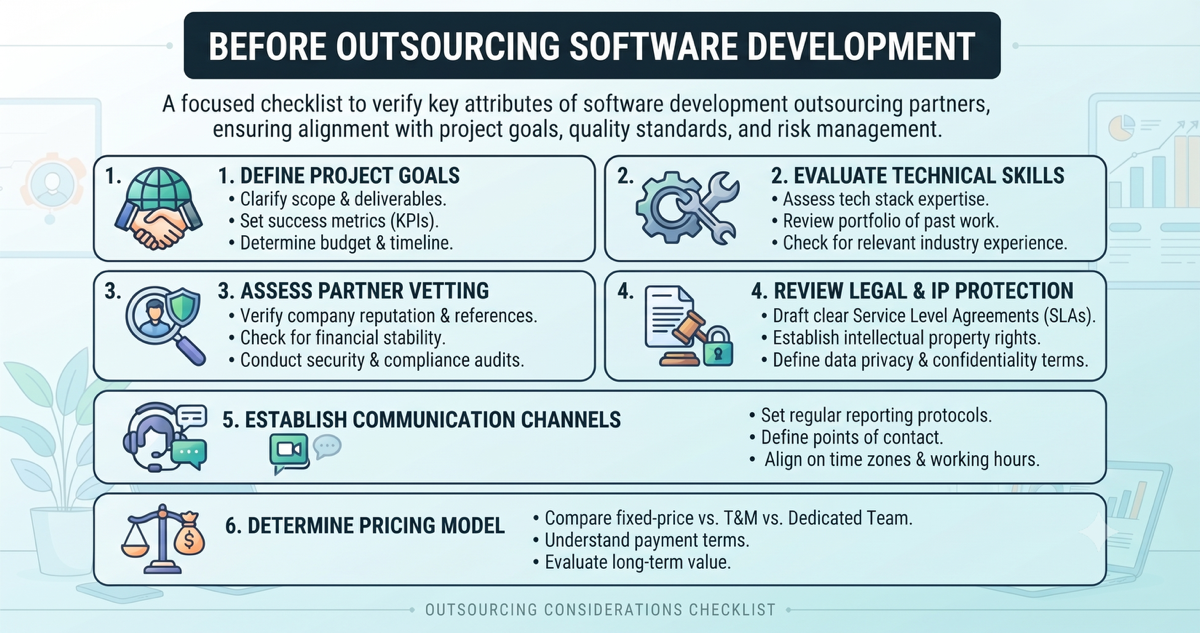
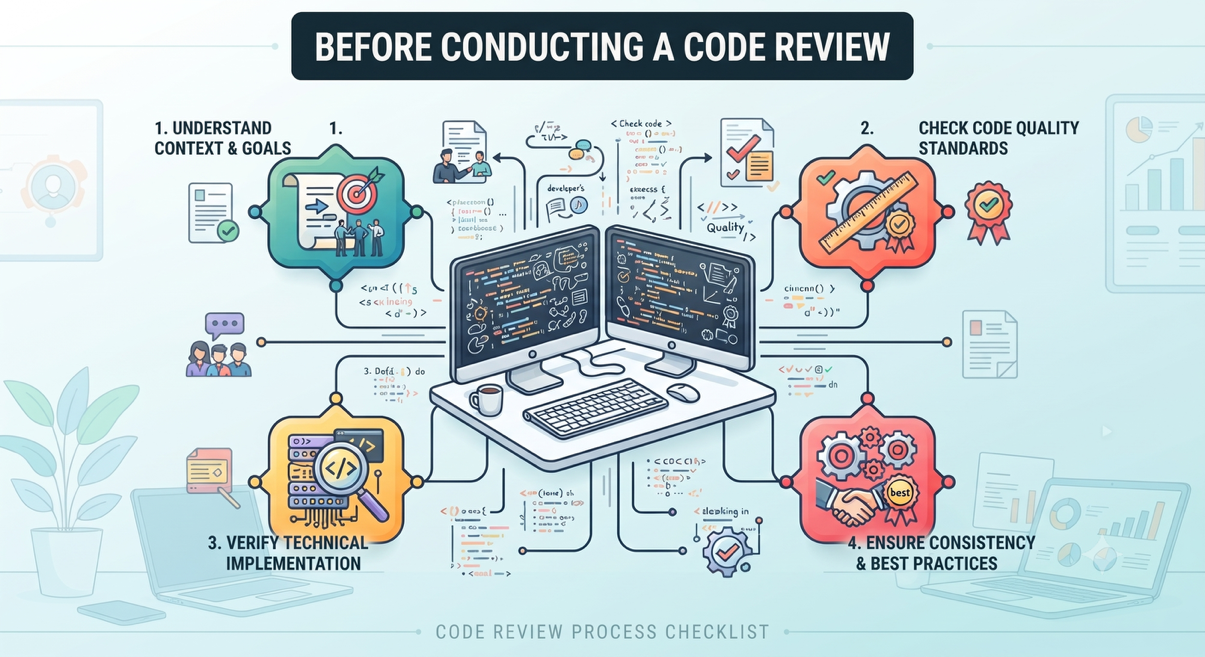
Related BuyWise guides: One Overlooked Aspect When Building a Startup · How to Optimize Console Storage Management · Before Outsourcing Software Development · Before Hiring Software Engineers · Before Conducting a Code Review.
Why this checklist matters
Buying Incorporating a Company is rarely about one feature. Total cost, reliability, paperwork, and post-purchase support all affect whether the decision still feels smart weeks later.
A structured checklist creates accountability: every important concern becomes an explicit step. That is especially useful when sales pressure or information overload kicks in.
In Business, small missed details often become expensive corrections. Completing this guide before commitment is usually cheaper than fixing a rushed purchase.
Complete checklist
Work through each section in order. Every item below includes practical guidance so you know what “done” looks like before you buy.
Legal Structure
5 items1.Confirm the chosen corporate form (e.g., LLC, S-Corp, C-Corp) aligns with business needs and goals
Treat “Confirm the chosen corporate form (e.g., LLC, S-Corp, C-Corp) aligns with business needs and goals” as a decision gate, not a formality. Confirm the facts, note any uncertainty, and only proceed with Incorporating a Company when this point is clearly resolved.
2.Verify the jurisdiction for incorporation (state or country) considering factors like tax laws, fees, and legal protections
Inspect carefully in person or via a trusted checklist walkthrough. Look for defects, missing parts, and mismatches with the listing before you commit to Incorporating a Company.
3.Calculate and compare potential tax implications for the chosen structure and jurisdiction, including federal, state, and local taxes
Shortlist 2–3 strong alternatives and compare them on the criteria that matter most for Business. Write down trade-offs so you do not decide from memory alone.
4.Review and understand the ongoing compliance requirements (e.g., annual reports, fees) for the selected jurisdiction and structure
Inspect carefully in person or via a trusted checklist walkthrough. Look for defects, missing parts, and mismatches with the listing before you commit to Incorporating a Company.
5.Identify any potential legal or tax red flags, such as high franchise taxes or complex compliance requirements, and assess their impact on the business
Treat safety and fraud checks as non-negotiable. If anything feels rushed, opaque, or pressured, pause and verify before continuing with Incorporating a Company.
Capital Requirements
5 items1.Verify that startup capital exceeds projected operating expenses for the first 12 months by at least 20%
Inspect carefully in person or via a trusted checklist walkthrough. Look for defects, missing parts, and mismatches with the listing before you commit to Incorporating a Company.
2.Confirm in writing that all funding sources are fully disclosed and legally permissible
Treat “Confirm in writing that all funding sources are fully disclosed and legally permissible” as a decision gate, not a formality. Confirm the facts, note any uncertainty, and only proceed with Incorporating a Company when this point is clearly resolved.
3.Calculate and document the exact equity percentage each founder will receive based on contributed capital
Collect and store every document: invoice, serial numbers, contracts, and warranties. Clear paperwork protects you if something goes wrong after buying Incorporating a Company.
4.Ensure at least 10% of total startup capital is reserved for unforeseen legal or compliance costs
Compare total cost of ownership, not just the sticker price. Include taxes, delivery, setup, accessories, and likely maintenance for Incorporating a Company so your budget stays realistic.
5.Obtain bank statements or financial statements proving availability of committed funds before signing incorporation documents
Collect and store every document: invoice, serial numbers, contracts, and warranties. Clear paperwork protects you if something goes wrong after buying Incorporating a Company.
Regulatory Compliance
5 items1.Verify the company has obtained all required federal licenses (e.g., FDA registration for medical devices, FTC registration for telemarketing, or SEC registration for investment advisors).
Inspect carefully in person or via a trusted checklist walkthrough. Look for defects, missing parts, and mismatches with the listing before you commit to Incorporating a Company.
2.Confirm state-specific business licenses are current (e.g., California Seller’s Permit, New York Department of State registration, Texas Sales Tax Permit).
Evaluate seller reputation, response time, and dispute history. Prefer sellers with clear policies and verifiable contact details when buying Incorporating a Company.
3.Check for industry-specific permits (e.g., construction permits, environmental permits, or broadcasting licenses) and ensure they are not expired.
Inspect carefully in person or via a trusted checklist walkthrough. Look for defects, missing parts, and mismatches with the listing before you commit to Incorporating a Company.
4.Review the latest annual report or franchise disclosure document for compliance with reporting obligations.
Inspect carefully in person or via a trusted checklist walkthrough. Look for defects, missing parts, and mismatches with the listing before you commit to Incorporating a Company.
5.Search state and federal databases for any outstanding violations, fines, or pending legal actions related to regulatory non-compliance.
Treat “Search state and federal databases for any outstanding violations, fines, or pending legal actions related to regulatory non-compliance.” as a decision gate, not a formality. Confirm the facts, note any uncertainty, and only proceed with Incorporating a Company when this point is clearly resolved.
Operational Capacity
5 items1.Verify that the office space has adequate square footage per employee (minimum 100 sq ft per employee for desk and common areas).
Inspect carefully in person or via a trusted checklist walkthrough. Look for defects, missing parts, and mismatches with the listing before you commit to Incorporating a Company.
2.Confirm essential equipment (computers, printers, networking gear) is functional and meets required specifications (e.g., multi-monitor setups, wired Ethernet connections).
Confirm delivery or installation timelines, responsibilities, and fees in writing. Surprises here often erase the value of a good deal on Incorporating a Company.
3.Check staffing plan includes at least one full-time employee per core department (operations, finance, HR, legal) with required certifications or licenses.
Inspect carefully in person or via a trusted checklist walkthrough. Look for defects, missing parts, and mismatches with the listing before you commit to Incorporating a Company.
4.Validate supply chain readiness by confirming at least two verified suppliers for critical components with signed contracts and on-time delivery records.
Collect and store every document: invoice, serial numbers, contracts, and warranties. Clear paperwork protects you if something goes wrong after buying Incorporating a Company.
5.Danger: Red flag if there is no backup power solution (UPS or generator) for critical IT systems to prevent data loss during outages.
Treat safety and fraud checks as non-negotiable. If anything feels rushed, opaque, or pressured, pause and verify before continuing with Incorporating a Company.
Strategic Alignment
5 items1.Validate that the company's mission statement can be measured with at least three quantifiable KPIs over the next 3 years
Measure twice and match specifications to your real constraints. Compatibility mistakes are one of the most expensive errors with Incorporating a Company.
2.Confirm target market size is at least 5x larger than minimum viable revenue needed to break even within 24 months
Measure twice and match specifications to your real constraints. Compatibility mistakes are one of the most expensive errors with Incorporating a Company.
3.Verify competitive analysis includes pricing thresholds where >15% price difference would cause immediate customer churn
Compare total cost of ownership, not just the sticker price. Include taxes, delivery, setup, accessories, and likely maintenance for Incorporating a Company so your budget stays realistic.
4.Check existence of at least two documented customer acquisition channels with proven CAC < LTV ratio of 3:1
Inspect carefully in person or via a trusted checklist walkthrough. Look for defects, missing parts, and mismatches with the listing before you commit to Incorporating a Company.
5.Ensure financial projections show cash runway of minimum 18 months from projected operational cash flow start date
Treat “Ensure financial projections show cash runway of minimum 18 months from projected operational cash flow start date” as a decision gate, not a formality. Confirm the facts, note any uncertainty, and only proceed with Incorporating a Company when this point is clearly resolved.
Common mistakes
- Letting urgency or scarcity pressure override unfinished checklist items.
- Skipping a second quote or comparison and accepting the first “good enough” option for Incorporating a Company.
- Focusing only on upfront price while ignoring fees, maintenance, or replacement risk.
- Trusting marketing claims without verifying specs, condition, or seller policies.
Expert buying tips
- Capture evidence as you go—photos, screenshots, model numbers, and written quotes.
- Decide your walk-away conditions in advance (budget ceiling, deal-breakers, timing).
- Revisit the checklist after sleep or a short break; fresh eyes catch expensive misses.
- If a seller resists verification, treat that as a signal—not a negotiation tactic.
Frequently asked questions
What is a Incorporating a Company checklist?
A Incorporating a Company checklist is a structured set of checks to complete before you buy. BuyWise organizes the process into sections such as Legal Structure, Capital Requirements, Regulatory Compliance so you do not miss costly details.
Why should I use a checklist before buying Incorporating a Company?
Most buying regrets come from skipped details—compatibility, total cost, warranty, or seller risk. A checklist forces those checks into a clear order so your business decision is calmer and more complete.
How long does the incorporating a company checklist take?
Most people can work through the core checks in one focused session, then revisit anything unresolved. Complex purchases may need a second pass after quotes, inspections, or comparisons.
What are common mistakes when buying Incorporating a Company?
Rushing the decision, comparing only sticker price, skipping paperwork, and ignoring return or warranty terms. The sections in this guide are designed to catch those failure points early.
Is this incorporating a company checklist free?
Yes. This guide is free to read on the web, and you can also open it in the BuyWise app to tick items and save progress offline.
Can I customize this checklist?
In the BuyWise app you can track progress, keep notes, and build personal checklists for decisions that need extra steps beyond this published framework.
Who is this checklist for?
Anyone preparing to buy Incorporating a Company—first-time buyers, careful researchers, and people who want a repeatable framework instead of scattered notes across tabs and chats.
How is BuyWise different from a random blog list?
BuyWise checklists are structured for action: ordered sections, tickable items, offline progress, and related guides for the next decision in the same buying journey.
Conclusion
If you complete the checks in this incorporating a company checklist, you will know what is verified, what is still open, and whether the purchase deserves a yes.
Open the same checklist in the BuyWise app to track progress offline, revisit unfinished items, and continue into related buying guides when the next decision appears.