BuyWise checklist blog
Before Investing in a Startup Idea: Complete Buying Checklist
Evaluate the startup idea through concrete, measurable criteria to assess feasibility, market potential, and financial viability.
Introduction
This investing in a startup idea checklist helps you make a clearer decision before money leaves your account. Instead of juggling scattered advice, you work through a practical sequence designed for real-world buying.
Evaluate the startup idea through concrete, measurable criteria to assess feasibility, market potential, and financial viability.
Use the sections below as a working framework. Tick what you can verify now, flag what is still unclear, and only proceed when the important unknowns are resolved.
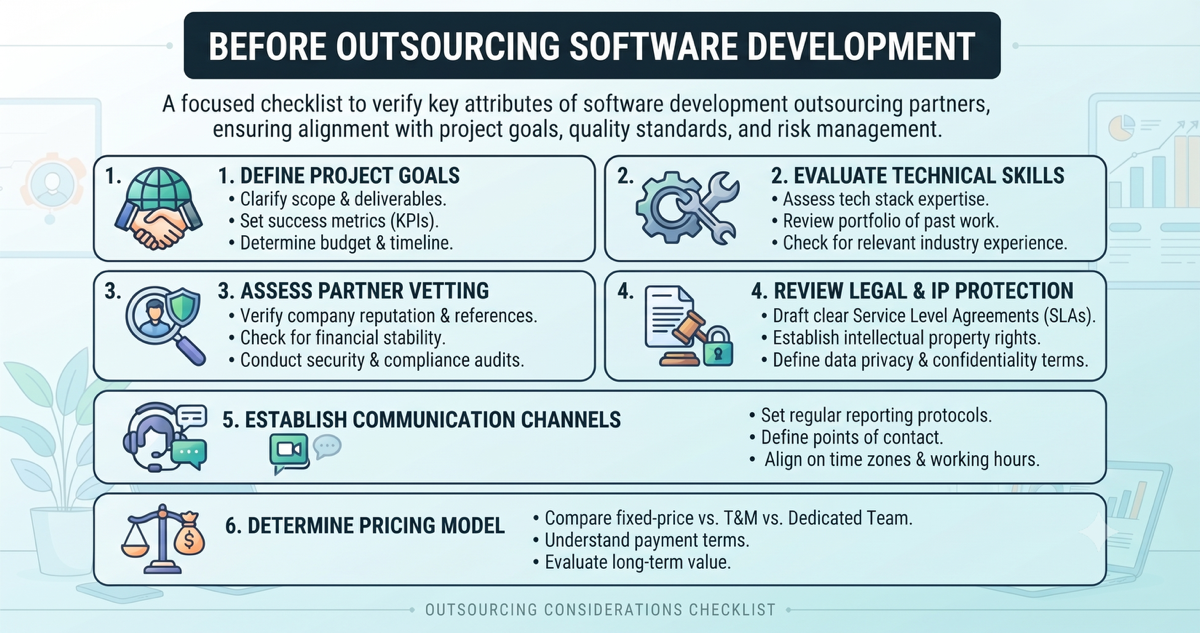
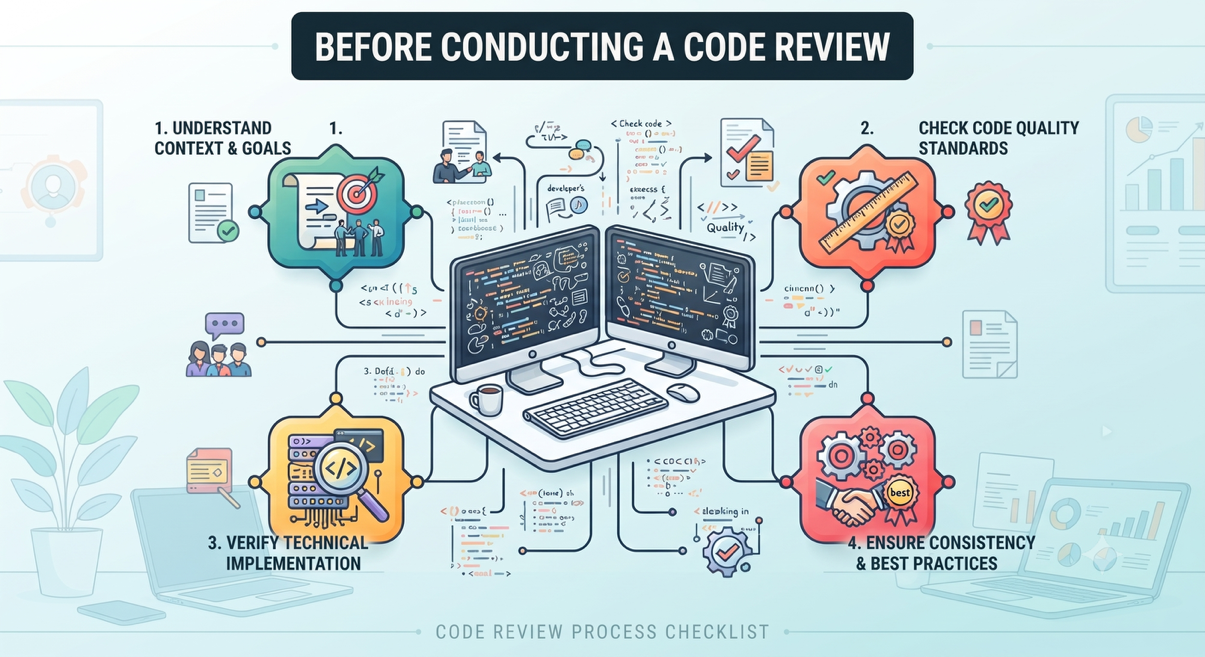
Related BuyWise guides: One Overlooked Aspect When Building a Startup · How to Optimize Console Storage Management · Before Outsourcing Software Development · Before Hiring Software Engineers · Before Conducting a Code Review.
Why this checklist matters
Buying Investing in a Startup Idea is rarely about one feature. Total cost, reliability, paperwork, and post-purchase support all affect whether the decision still feels smart weeks later.
A structured checklist creates accountability: every important concern becomes an explicit step. That is especially useful when sales pressure or information overload kicks in.
In Business, small missed details often become expensive corrections. Completing this guide before commitment is usually cheaper than fixing a rushed purchase.
Complete checklist
Work through each section in order. Every item below includes practical guidance so you know what “done” looks like before you buy.
Problem Validation
5 items1.Conduct at least 15 customer interviews with a structured script, ensuring each interviewee explicitly states the frequency and impact of the problem on their daily life.
Treat “Conduct at least 15 customer interviews with a structured script, ensuring each interviewee explicitly states the frequency and impact of the problem on their daily life.” as a decision gate, not a formality. Confirm the facts, note any uncertainty, and only proceed with Investing in a Startup Idea when this point is clearly resolved.
2.Analyze survey responses to confirm that over 70% of respondents rate the problem's severity as 'high' or 'critical' on a 5-point scale.
Treat “Analyze survey responses to confirm that over 70% of respondents rate the problem's severity as 'high' or 'critical' on a 5-point scale.” as a decision gate, not a formality. Confirm the facts, note any uncertainty, and only proceed with Investing in a Startup Idea when this point is clearly resolved.
3.Review usage data from existing solutions (if any) to verify consistent user engagement metrics (e.g., average session duration > 5 minutes, daily active users > 30%) indicating genuine need.
Inspect carefully in person or via a trusted checklist walkthrough. Look for defects, missing parts, and mismatches with the listing before you commit to Investing in a Startup Idea.
4.Identify at least three distinct failure modes in current solutions that your idea specifically addresses (e.g., slow load times, poor UI, limited features).
Match the exact model and specs to your needs. Marketing language can hide important differences that affect long-term satisfaction with Investing in a Startup Idea.
5.Validate problem persistence by confirming at least 20% of interviewees have attempted to solve the problem using alternative methods and failed, signaling a gap in the market.
Shortlist 2–3 strong alternatives and compare them on the criteria that matter most for Business. Write down trade-offs so you do not decide from memory alone.
Market Size
5 items1.Calculate TAM by multiplying the total global population of potential users by the average annual spending per user on the product category, using verified industry reports.
Treat “Calculate TAM by multiplying the total global population of potential users by the average annual spending per user on the product category, using verified industry reports.” as a decision gate, not a formality. Confirm the facts, note any uncertainty, and only proceed with Investing in a Startup Idea when this point is clearly resolved.
2.Define SAM by narrowing TAM to only the geographic regions, age groups, or user behaviors your startup can realistically reach, then re-calculate the market value.
Treat “Define SAM by narrowing TAM to only the geographic regions, age groups, or user behaviors your startup can realistically reach, then re-calculate the market value.” as a decision gate, not a formality. Confirm the facts, note any uncertainty, and only proceed with Investing in a Startup Idea when this point is clearly resolved.
3.Estimate SOM by applying a conservative market share capture rate (e.g., 1–5%) to the SAM, factoring in direct and indirect competition.
Compare total cost of ownership, not just the sticker price. Include taxes, delivery, setup, accessories, and likely maintenance for Investing in a Startup Idea so your budget stays realistic.
4.Project Year 1–5 revenue by applying realistic growth rates to the SOM, and compare the result to startup funding goals and runway requirements.
Shortlist 2–3 strong alternatives and compare them on the criteria that matter most for Business. Write down trade-offs so you do not decide from memory alone.
5.Cross-check all market numbers against at least three independent sources (e.g., Statista, IBISWorld, PitchBook) and flag any >30% discrepancies as a red flag.
Inspect carefully in person or via a trusted checklist walkthrough. Look for defects, missing parts, and mismatches with the listing before you commit to Investing in a Startup Idea.
Competitive Analysis
5 items1.Identify at least three direct competitors offering similar solutions and document their market share percentages using credible sources like industry reports or market research databases.
Shortlist 2–3 strong alternatives and compare them on the criteria that matter most for Business. Write down trade-offs so you do not decide from memory alone.
2.Map out the pricing strategies of each competitor, noting price points, discount structures, and any tiered pricing models, and compare them to your projected pricing.
Compare total cost of ownership, not just the sticker price. Include taxes, delivery, setup, accessories, and likely maintenance for Investing in a Startup Idea so your budget stays realistic.
3.Conduct a SWOT analysis for each major competitor, detailing specific strengths (e.g., brand reputation, technology edge) and weaknesses (e.g., poor customer support, limited feature set).
Match the exact model and specs to your needs. Marketing language can hide important differences that affect long-term satisfaction with Investing in a Startup Idea.
4.Evaluate competitor product quality by reviewing aggregate customer satisfaction metrics (e.g., average star ratings, recurring complaint themes) on platforms like app stores, review sites, and social media.
Inspect carefully in person or via a trusted checklist walkthrough. Look for defects, missing parts, and mismatches with the listing before you commit to Investing in a Startup Idea.
5.Flag any competitor with a dominant market position (over 30% market share) and limited differentiation potential as a major risk to your startup's success.
Treat safety and fraud checks as non-negotiable. If anything feels rushed, opaque, or pressured, pause and verify before continuing with Investing in a Startup Idea.
Financial Projections
5 items1.Validate that revenue projections are tied to realistic customer acquisition costs (CAC) and include a clear breakdown of marketing spend, pricing strategy, and expected conversion rates.
Compare total cost of ownership, not just the sticker price. Include taxes, delivery, setup, accessories, and likely maintenance for Investing in a Startup Idea so your budget stays realistic.
2.Confirm break-even analysis specifies exact fixed and variable costs, and includes a month-by-month projection showing when the startup will become cash-flow positive.
Compare total cost of ownership, not just the sticker price. Include taxes, delivery, setup, accessories, and likely maintenance for Investing in a Startup Idea so your budget stays realistic.
3.Check that cash flow forecasts account for at least 3–5 years of operating expenses, including salaries, rent, software licenses, and inventory, and highlight any potential liquidity crunches.
Inspect carefully in person or via a trusted checklist walkthrough. Look for defects, missing parts, and mismatches with the listing before you commit to Investing in a Startup Idea.
4.Identify any 'optimistic' assumptions (e.g., 50% month-over-month growth) and verify they are supported by market data or comparable benchmarks; flag if unsupported.
Inspect carefully in person or via a trusted checklist walkthrough. Look for defects, missing parts, and mismatches with the listing before you commit to Investing in a Startup Idea.
5.Ensure sensitivity analysis is included (e.g., best-case, worst-case, and most-likely scenarios) to test how changes in key variables (e.g., price, volume) affect profitability.
Compare total cost of ownership, not just the sticker price. Include taxes, delivery, setup, accessories, and likely maintenance for Investing in a Startup Idea so your budget stays realistic.
Technical Feasibility
5 items1.Confirm that core algorithms or software logic have been prototyped and tested against realistic datasets with measurable accuracy/error rates
Inspect carefully in person or via a trusted checklist walkthrough. Look for defects, missing parts, and mismatches with the listing before you commit to Investing in a Startup Idea.
2.Validate that required hardware components (e.g., sensors, chipsets) are commercially available and within budget, noting lead times and supplier reliability
Compare total cost of ownership, not just the sticker price. Include taxes, delivery, setup, accessories, and likely maintenance for Investing in a Startup Idea so your budget stays realistic.
3.Estimate total development hours using detailed task breakdowns and compare against team capacity and budget constraints
Compare total cost of ownership, not just the sticker price. Include taxes, delivery, setup, accessories, and likely maintenance for Investing in a Startup Idea so your budget stays realistic.
4.Identify any patent dependencies or open-source licensing conflicts that could block deployment or incur unexpected costs
Compare total cost of ownership, not just the sticker price. Include taxes, delivery, setup, accessories, and likely maintenance for Investing in a Startup Idea so your budget stays realistic.
5.Conduct a stress test on proof-of-concept builds to assess performance under peak load or adverse conditions (e.g., network latency, temperature extremes)
Inspect carefully in person or via a trusted checklist walkthrough. Look for defects, missing parts, and mismatches with the listing before you commit to Investing in a Startup Idea.
Common mistakes
- Focusing only on upfront price while ignoring fees, maintenance, or replacement risk.
- Trusting marketing claims without verifying specs, condition, or seller policies.
- Leaving paperwork to the end, then discovering missing warranties or unclear terms.
- Letting urgency or scarcity pressure override unfinished checklist items.
Expert buying tips
- Revisit the checklist after sleep or a short break; fresh eyes catch expensive misses.
- If a seller resists verification, treat that as a signal—not a negotiation tactic.
- Write your must-haves before browsing so shiny extras do not redefine the purchase.
- Capture evidence as you go—photos, screenshots, model numbers, and written quotes.
Frequently asked questions
What is a Investing in a Startup Idea checklist?
A Investing in a Startup Idea checklist is a structured set of checks to complete before you buy. BuyWise organizes the process into sections such as Problem Validation, Market Size, Competitive Analysis so you do not miss costly details.
Why should I use a checklist before buying Investing in a Startup Idea?
Most buying regrets come from skipped details—compatibility, total cost, warranty, or seller risk. A checklist forces those checks into a clear order so your business decision is calmer and more complete.
How long does the investing in a startup idea checklist take?
Most people can work through the core checks in one focused session, then revisit anything unresolved. Complex purchases may need a second pass after quotes, inspections, or comparisons.
What are common mistakes when buying Investing in a Startup Idea?
Rushing the decision, comparing only sticker price, skipping paperwork, and ignoring return or warranty terms. The sections in this guide are designed to catch those failure points early.
Is this investing in a startup idea checklist free?
Yes. This guide is free to read on the web, and you can also open it in the BuyWise app to tick items and save progress offline.
Can I customize this checklist?
In the BuyWise app you can track progress, keep notes, and build personal checklists for decisions that need extra steps beyond this published framework.
Who is this checklist for?
Anyone preparing to buy Investing in a Startup Idea—first-time buyers, careful researchers, and people who want a repeatable framework instead of scattered notes across tabs and chats.
How is BuyWise different from a random blog list?
BuyWise checklists are structured for action: ordered sections, tickable items, offline progress, and related guides for the next decision in the same buying journey.
Conclusion
If you complete the checks in this investing in a startup idea checklist, you will know what is verified, what is still open, and whether the purchase deserves a yes.
Open the same checklist in the BuyWise app to track progress offline, revisit unfinished items, and continue into related buying guides when the next decision appears.