BuyWise checklist blog
Before Moving to a New Neighborhood: Complete Buying Checklist
This checklist helps you evaluate critical aspects of a potential new neighborhood to ensure it meets your practical needs and preferences.
Introduction
This moving to a new neighborhood checklist helps you make a clearer decision before money leaves your account. Instead of juggling scattered advice, you work through a practical sequence designed for real-world buying.
This checklist helps you evaluate critical aspects of a potential new neighborhood to ensure it meets your practical needs and preferences.
Use the sections below as a working framework. Tick what you can verify now, flag what is still unclear, and only proceed when the important unknowns are resolved.
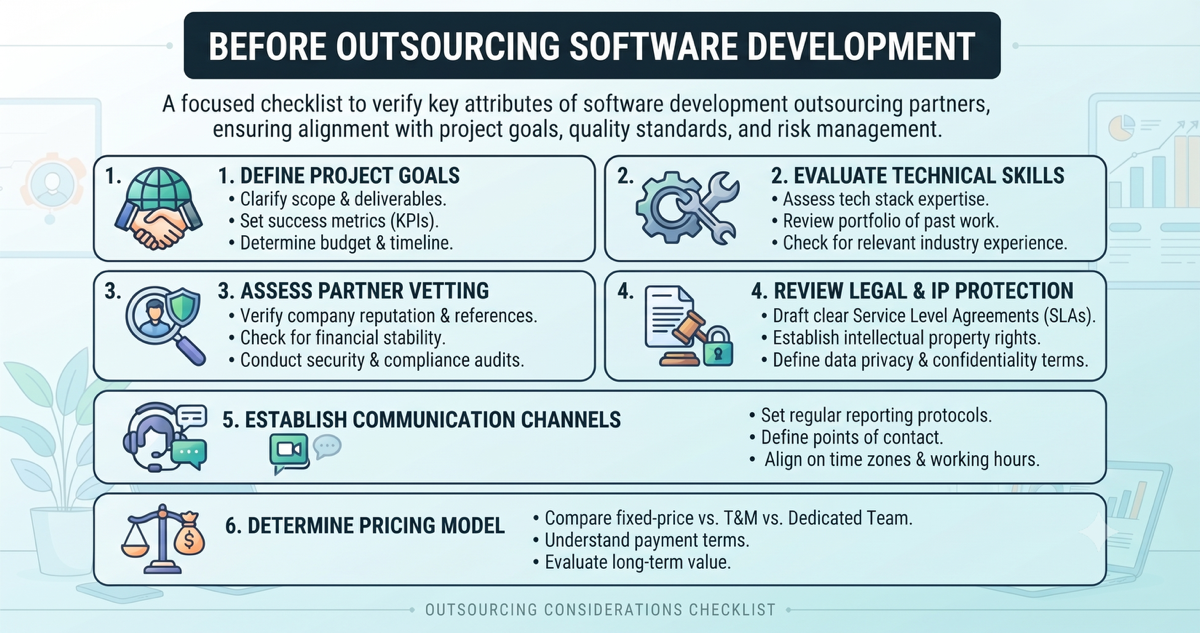
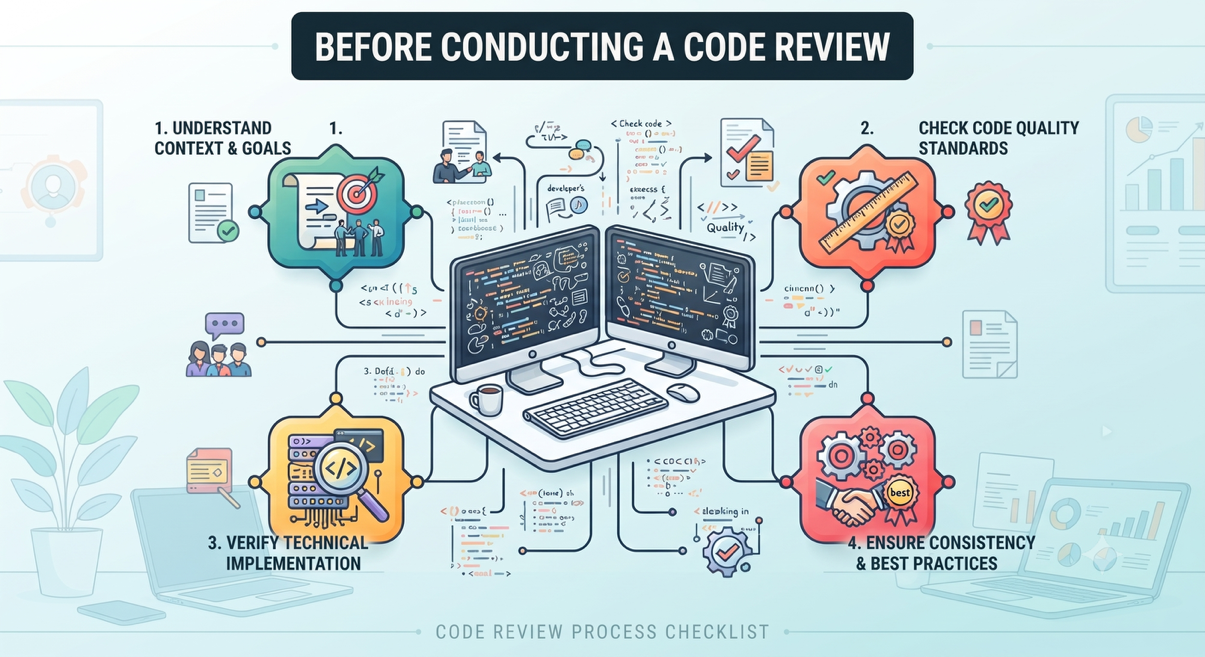
Related BuyWise guides: Before Selling Your Home · How to Optimize Console Storage Management · Before Outsourcing Software Development · Before Hiring Software Engineers · Before Conducting a Code Review.
Why this checklist matters
Buying Moving to a New Neighborhood is rarely about one feature. Total cost, reliability, paperwork, and post-purchase support all affect whether the decision still feels smart weeks later.
A structured checklist creates accountability: every important concern becomes an explicit step. That is especially useful when sales pressure or information overload kicks in.
In Home, small missed details often become expensive corrections. Completing this guide before commitment is usually cheaper than fixing a rushed purchase.
Complete checklist
Work through each section in order. Every item below includes practical guidance so you know what “done” looks like before you buy.
Crime Statistics
5 items1.Obtain the latest 3-year crime rate report from the local police department for the neighborhood, focusing on violent crimes (assault, robbery, homicide) and property crimes (burglary, theft, vehicle theft).
Inspect carefully in person or via a trusted checklist walkthrough. Look for defects, missing parts, and mismatches with the listing before you commit to Moving to a New Neighborhood.
2.Compare the neighborhood's crime rate per 1,000 residents with the city's overall average and state average; note any discrepancies greater than 20%.
Shortlist 2–3 strong alternatives and compare them on the criteria that matter most for Home. Write down trade-offs so you do not decide from memory alone.
3.Verify the number of police patrol cars assigned to the area and frequency of foot patrols through official police department schedules or community meetings.
Inspect carefully in person or via a trusted checklist walkthrough. Look for defects, missing parts, and mismatches with the listing before you commit to Moving to a New Neighborhood.
4.Identify any active neighborhood watch programs, including contact information for coordinators and frequency of meetings or patrol activities.
Treat “Identify any active neighborhood watch programs, including contact information for coordinators and frequency of meetings or patrol activities.” as a decision gate, not a formality. Confirm the facts, note any uncertainty, and only proceed with Moving to a New Neighborhood when this point is clearly resolved.
5.Investigate any recent (past 12 months) spikes in specific crime types (e.g., a 30% increase in vehicle thefts) and local police initiatives addressing these issues.
Match the exact model and specs to your needs. Marketing language can hide important differences that affect long-term satisfaction with Moving to a New Neighborhood.
School District Quality
5 items1.Verify the district's average standardized test scores against state averages, noting any gaps greater than 10%
Inspect carefully in person or via a trusted checklist walkthrough. Look for defects, missing parts, and mismatches with the listing before you commit to Moving to a New Neighborhood.
2.Check the high school graduation rate, ensuring it meets or exceeds the state average (typically above 80%)
Inspect carefully in person or via a trusted checklist walkthrough. Look for defects, missing parts, and mismatches with the listing before you commit to Moving to a New Neighborhood.
3.Review the availability of advanced placement (AP) or International Baccalaureate (IB) courses at the nearest high school
Inspect carefully in person or via a trusted checklist walkthrough. Look for defects, missing parts, and mismatches with the listing before you commit to Moving to a New Neighborhood.
4.Confirm the student-teacher ratio is below 20:1 for elementary and middle schools, and below 25:1 for high schools
Treat “Confirm the student-teacher ratio is below 20:1 for elementary and middle schools, and below 25:1 for high schools” as a decision gate, not a formality. Confirm the facts, note any uncertainty, and only proceed with Moving to a New Neighborhood when this point is clearly resolved.
5.Investigate reported incidents of safety violations or disciplinary actions at the school within the past three years
Treat safety and fraud checks as non-negotiable. If anything feels rushed, opaque, or pressured, pause and verify before continuing with Moving to a New Neighborhood.
Proximity to Amenities
5 items1.Map the exact walking distance to the nearest grocery store and verify it is within a 10-minute walk (≤ 0.5 miles).
Inspect carefully in person or via a trusted checklist walkthrough. Look for defects, missing parts, and mismatches with the listing before you commit to Moving to a New Neighborhood.
2.Confirm the nearest urgent care or hospital is within a 15-minute drive (< 7 miles) and note any traffic patterns affecting access.
Treat “Confirm the nearest urgent care or hospital is within a 15-minute drive (< 7 miles) and note any traffic patterns affecting access.” as a decision gate, not a formality. Confirm the facts, note any uncertainty, and only proceed with Moving to a New Neighborhood when this point is clearly resolved.
3.Identify the closest bus stop or train station and check the frequency of service (e.g., a bus every 10–15 minutes during peak hours).
Inspect carefully in person or via a trusted checklist walkthrough. Look for defects, missing parts, and mismatches with the listing before you commit to Moving to a New Neighborhood.
4.Locate the nearest park or recreational area on a map and ensure it is within a 20-minute walk (≤ 1 mile) and has amenities like playgrounds or walking paths.
Treat “Locate the nearest park or recreational area on a map and ensure it is within a 20-minute walk (≤ 1 mile) and has amenities like playgrounds or walking paths.” as a decision gate, not a formality. Confirm the facts, note any uncertainty, and only proceed with Moving to a New Neighborhood when this point is clearly resolved.
5.Red flag: If any essential amenity (grocery, healthcare, transit, park) requires more than a 30-minute one-way drive, note potential impacts on daily life and commute times.
Treat safety and fraud checks as non-negotiable. If anything feels rushed, opaque, or pressured, pause and verify before continuing with Moving to a New Neighborhood.
Cost of Living Impact
5 items1.Compare average home prices in the target neighborhood to at least three nearby neighborhoods using recent (last 6 months) real estate data.
Compare total cost of ownership, not just the sticker price. Include taxes, delivery, setup, accessories, and likely maintenance for Moving to a New Neighborhood so your budget stays realistic.
2.Verify property tax rates for the specific ZIP code and calculate estimated annual tax for a typical home value in the area.
Compare total cost of ownership, not just the sticker price. Include taxes, delivery, setup, accessories, and likely maintenance for Moving to a New Neighborhood so your budget stays realistic.
3.Obtain average monthly utility bills (electricity, gas, water, internet) for the neighborhood from at least two local providers.
Treat “Obtain average monthly utility bills (electricity, gas, water, internet) for the neighborhood from at least two local providers.” as a decision gate, not a formality. Confirm the facts, note any uncertainty, and only proceed with Moving to a New Neighborhood when this point is clearly resolved.
4.Identify grocery store prices for a standard basket of 30 common items (e.g., milk, eggs, bread, produce) and compare to current local prices.
Compare total cost of ownership, not just the sticker price. Include taxes, delivery, setup, accessories, and likely maintenance for Moving to a New Neighborhood so your budget stays realistic.
5.Red flag if combined monthly housing + utility costs exceed 30% of projected post-tax household income.
Compare total cost of ownership, not just the sticker price. Include taxes, delivery, setup, accessories, and likely maintenance for Moving to a New Neighborhood so your budget stays realistic.
Infrastructure Reliability
5 items1.Verify road surface condition by inspecting for potholes, cracks, or frequent repaving within the last 3 years
Inspect carefully in person or via a trusted checklist walkthrough. Look for defects, missing parts, and mismatches with the listing before you commit to Moving to a New Neighborhood.
2.Confirm public transit schedules show average wait times under 15 minutes during peak hours and reliability ratings above 90%
Treat “Confirm public transit schedules show average wait times under 15 minutes during peak hours and reliability ratings above 90%” as a decision gate, not a formality. Confirm the facts, note any uncertainty, and only proceed with Moving to a New Neighborhood when this point is clearly resolved.
3.Test internet speeds with ISP representatives for download/upload rates matching advertised speeds (e.g., 100 Mbps down / 20 Mbps up)
Inspect carefully in person or via a trusted checklist walkthrough. Look for defects, missing parts, and mismatches with the listing before you commit to Moving to a New Neighborhood.
4.Check utility outage history for water, electricity, and gas over the past 2 years (request official records showing less than 2 outages per year)
Inspect carefully in person or via a trusted checklist walkthrough. Look for defects, missing parts, and mismatches with the listing before you commit to Moving to a New Neighborhood.
5.Review recent municipal budgets for infrastructure spending allocations to ensure sustained maintenance funding
Compare total cost of ownership, not just the sticker price. Include taxes, delivery, setup, accessories, and likely maintenance for Moving to a New Neighborhood so your budget stays realistic.
Common mistakes
- Focusing only on upfront price while ignoring fees, maintenance, or replacement risk.
- Trusting marketing claims without verifying specs, condition, or seller policies.
- Leaving paperwork to the end, then discovering missing warranties or unclear terms.
- Letting urgency or scarcity pressure override unfinished checklist items.
Expert buying tips
- Revisit the checklist after sleep or a short break; fresh eyes catch expensive misses.
- If a seller resists verification, treat that as a signal—not a negotiation tactic.
- Write your must-haves before browsing so shiny extras do not redefine the purchase.
- Capture evidence as you go—photos, screenshots, model numbers, and written quotes.
Frequently asked questions
What is a Moving to a New Neighborhood checklist?
A Moving to a New Neighborhood checklist is a structured set of checks to complete before you buy. BuyWise organizes the process into sections such as Crime Statistics, School District Quality, Proximity to Amenities so you do not miss costly details.
Why should I use a checklist before buying Moving to a New Neighborhood?
Most buying regrets come from skipped details—compatibility, total cost, warranty, or seller risk. A checklist forces those checks into a clear order so your home decision is calmer and more complete.
How long does the moving to a new neighborhood checklist take?
Most people can work through the core checks in one focused session, then revisit anything unresolved. Complex purchases may need a second pass after quotes, inspections, or comparisons.
What are common mistakes when buying Moving to a New Neighborhood?
Rushing the decision, comparing only sticker price, skipping paperwork, and ignoring return or warranty terms. The sections in this guide are designed to catch those failure points early.
Is this moving to a new neighborhood checklist free?
Yes. This guide is free to read on the web, and you can also open it in the BuyWise app to tick items and save progress offline.
Can I customize this checklist?
In the BuyWise app you can track progress, keep notes, and build personal checklists for decisions that need extra steps beyond this published framework.
Who is this checklist for?
Anyone preparing to buy Moving to a New Neighborhood—first-time buyers, careful researchers, and people who want a repeatable framework instead of scattered notes across tabs and chats.
How is BuyWise different from a random blog list?
BuyWise checklists are structured for action: ordered sections, tickable items, offline progress, and related guides for the next decision in the same buying journey.
Conclusion
If you complete the checks in this moving to a new neighborhood checklist, you will know what is verified, what is still open, and whether the purchase deserves a yes.
Open the same checklist in the BuyWise app to track progress offline, revisit unfinished items, and continue into related buying guides when the next decision appears.