BuyWise checklist blog
Before Planning for Retirement: Complete Buying Checklist
This checklist helps verify financial stability, risk management, healthcare coverage, tax efficiency, estate planning, and long-term care readiness.
Introduction
This planning for retirement checklist helps you make a clearer decision before money leaves your account. Instead of juggling scattered advice, you work through a practical sequence designed for real-world buying.
This checklist helps verify financial stability, risk management, healthcare coverage, tax efficiency, estate planning, and long-term care readiness.
Use the sections below as a working framework. Tick what you can verify now, flag what is still unclear, and only proceed when the important unknowns are resolved.
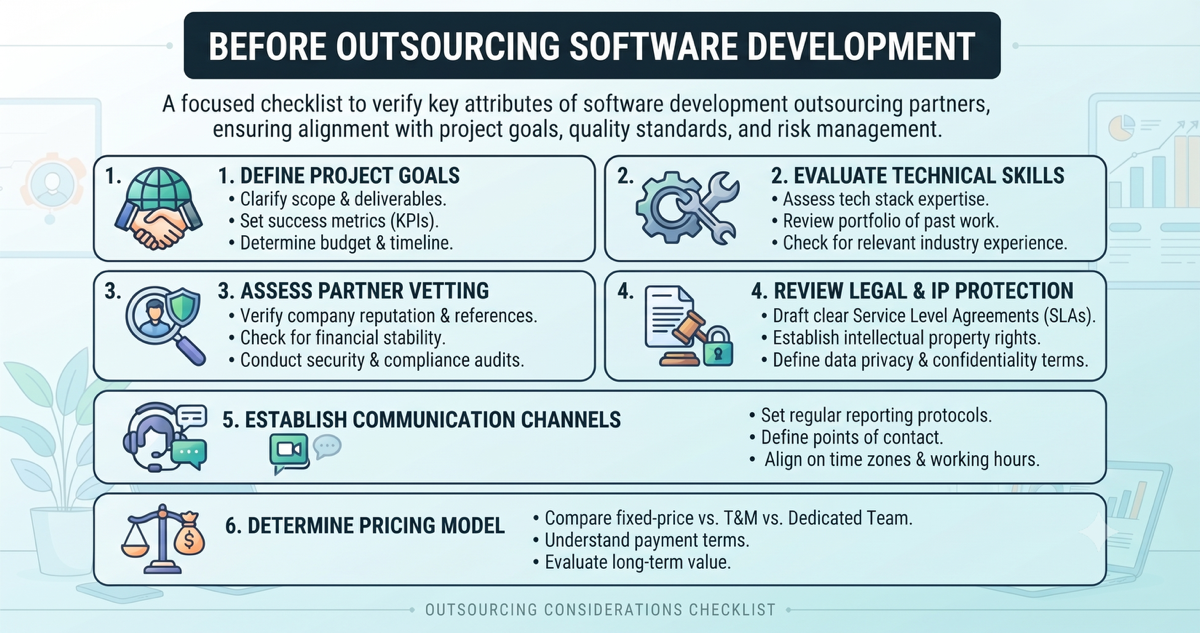
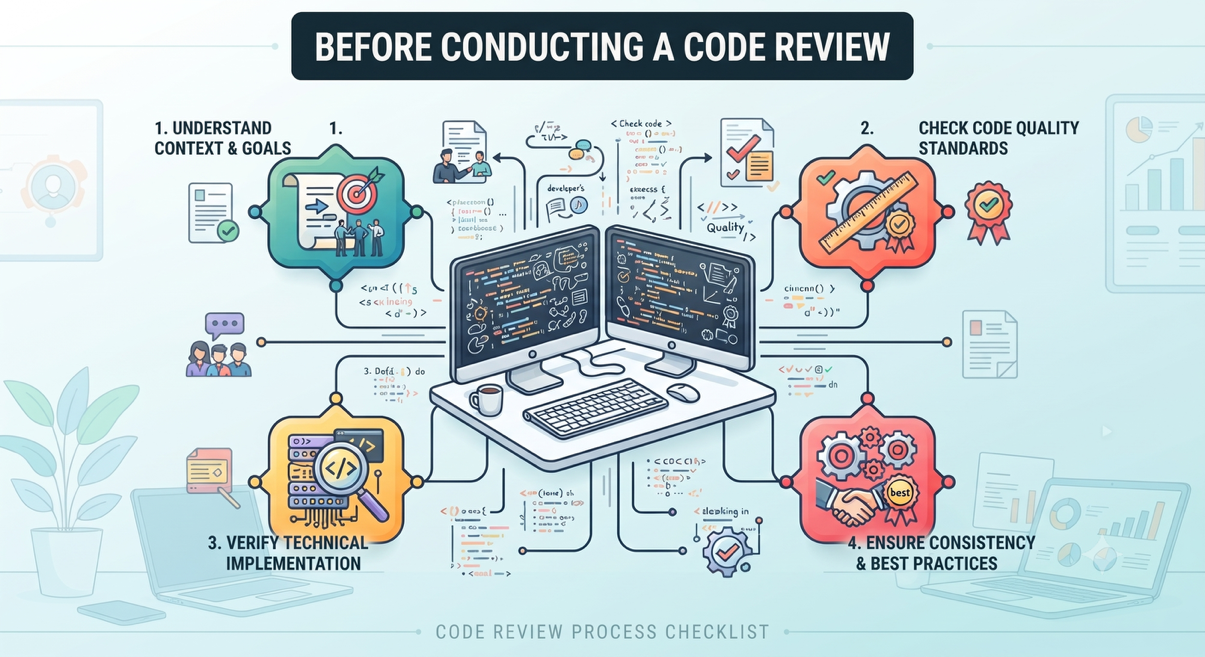
Related BuyWise guides: How to Optimize Console Storage Management · Before Outsourcing Software Development · Before Hiring Software Engineers · Before Conducting a Code Review · Before Selling Your Home.
Why this checklist matters
Buying Planning for Retirement is rarely about one feature. Total cost, reliability, paperwork, and post-purchase support all affect whether the decision still feels smart weeks later.
A structured checklist creates accountability: every important concern becomes an explicit step. That is especially useful when sales pressure or information overload kicks in.
In Finance, small missed details often become expensive corrections. Completing this guide before commitment is usually cheaper than fixing a rushed purchase.
Complete checklist
Work through each section in order. Every item below includes practical guidance so you know what “done” looks like before you buy.
Income Sources
5 items1.Confirm eligibility and calculate expected monthly Social Security benefits using the SSA's online estimator with your actual earnings record.
Measure twice and match specifications to your real constraints. Compatibility mistakes are one of the most expensive errors with Planning for Retirement.
2.Obtain a detailed pension statement from each employer, verifying projected monthly payments, vesting schedule, and any conditions for early or delayed retirement.
Inspect carefully in person or via a trusted checklist walkthrough. Look for defects, missing parts, and mismatches with the listing before you commit to Planning for Retirement.
3.Review annuity contracts to determine guaranteed income amount, payout period, inflation adjustments, and surrender charges if you need to access funds early.
Inspect carefully in person or via a trusted checklist walkthrough. Look for defects, missing parts, and mismatches with the listing before you commit to Planning for Retirement.
4.Run a Monte Carlo simulation on your investment portfolio to assess the probability of achieving your retirement income targets under various market conditions.
Treat “Run a Monte Carlo simulation on your investment portfolio to assess the probability of achieving your retirement income targets under various market conditions.” as a decision gate, not a formality. Confirm the facts, note any uncertainty, and only proceed with Planning for Retirement when this point is clearly resolved.
5.Identify any gaps where projected income falls short of estimated expenses by at least 10%, and document specific strategies to bridge the shortfall.
Compare total cost of ownership, not just the sticker price. Include taxes, delivery, setup, accessories, and likely maintenance for Planning for Retirement so your budget stays realistic.
Emergency Fund
5 items1.Confirm you have $1,000 in an easily accessible savings account (e.g., money market or high-yield savings account) that can be withdrawn within 24 hours
Treat “Confirm you have $1,000 in an easily accessible savings account (e.g., money market or high-yield savings account) that can be withdrawn within 24 hours” as a decision gate, not a formality. Confirm the facts, note any uncertainty, and only proceed with Planning for Retirement when this point is clearly resolved.
2.Verify your emergency fund covers at least 3 months of essential living expenses (housing, utilities, food, insurance premiums)
Inspect carefully in person or via a trusted checklist walkthrough. Look for defects, missing parts, and mismatches with the listing before you commit to Planning for Retirement.
3.Check that no emergency fund money is tied up in investments or retirement accounts that cannot be accessed without penalty
Inspect carefully in person or via a trusted checklist walkthrough. Look for defects, missing parts, and mismatches with the listing before you commit to Planning for Retirement.
4.Ensure your emergency fund balance remains above $500 even after planned large expenses (e.g., car maintenance, medical copays)
Treat “Ensure your emergency fund balance remains above $500 even after planned large expenses (e.g., car maintenance, medical copays)” as a decision gate, not a formality. Confirm the facts, note any uncertainty, and only proceed with Planning for Retirement when this point is clearly resolved.
5.Danger: If you have less than $500 in liquid emergency savings, pause retirement planning until this threshold is met
Treat “Danger: If you have less than $500 in liquid emergency savings, pause retirement planning until this threshold is met” as a decision gate, not a formality. Confirm the facts, note any uncertainty, and only proceed with Planning for Retirement when this point is clearly resolved.
Healthcare Costs
5 items1.Calculate estimated annual out-of-pocket medical expenses including deductibles, co-pays, and coinsurance for the next 5 years using IRS retirement healthcare cost calculators
Compare total cost of ownership, not just the sticker price. Include taxes, delivery, setup, accessories, and likely maintenance for Planning for Retirement so your budget stays realistic.
2.Review current health insurance policy to identify coverage gaps in retirement (e.g., vision, dental, hearing) and obtain cost estimates for supplemental plans
Compare total cost of ownership, not just the sticker price. Include taxes, delivery, setup, accessories, and likely maintenance for Planning for Retirement so your budget stays realistic.
3.Compare prescription drug plans using Medicare Part D plan finder tool to identify the 'doughnut hole' exposure and annual out-of-pocket maximum
Shortlist 2–3 strong alternatives and compare them on the criteria that matter most for Finance. Write down trade-offs so you do not decide from memory alone.
4.Verify that long-term care insurance (if owned) remains active and review inflation-adjusted benefit amounts against projected care costs
Compare total cost of ownership, not just the sticker price. Include taxes, delivery, setup, accessories, and likely maintenance for Planning for Retirement so your budget stays realistic.
5.Confirm that retirement income includes a specific allocation for healthcare expenses (minimum 15% of projected retirement budget) and document this in financial plan
Compare total cost of ownership, not just the sticker price. Include taxes, delivery, setup, accessories, and likely maintenance for Planning for Retirement so your budget stays realistic.
Tax Efficiency
5 items1.Verify that at least 30% of retirement assets are allocated across taxable, tax-deferred, and tax-free accounts to balance tax exposure across income phases.
Inspect carefully in person or via a trusted checklist walkthrough. Look for defects, missing parts, and mismatches with the listing before you commit to Planning for Retirement.
2.Confirm your tax-deferred accounts (e.g., 401(k), traditional IRA) hold growth-oriented assets likely to generate capital gains, avoiding high tax drag on withdrawal.
Treat “Confirm your tax-deferred accounts (e.g., 401(k), traditional IRA) hold growth-oriented assets likely to generate capital gains, avoiding high tax drag on withdrawal.” as a decision gate, not a formality. Confirm the facts, note any uncertainty, and only proceed with Planning for Retirement when this point is clearly resolved.
3.Ensure tax-free accounts (e.g., Roth IRA) contain assets expected to appreciate significantly, leveraging tax-free growth for long-term compounding.
Treat “Ensure tax-free accounts (e.g., Roth IRA) contain assets expected to appreciate significantly, leveraging tax-free growth for long-term compounding.” as a decision gate, not a formality. Confirm the facts, note any uncertainty, and only proceed with Planning for Retirement when this point is clearly resolved.
4.Calculate projected tax rates in retirement and match withdrawal strategy: use tax-deferred first in low-tax years, tax-free in high-tax years.
Treat “Calculate projected tax rates in retirement and match withdrawal strategy: use tax-deferred first in low-tax years, tax-free in high-tax years.” as a decision gate, not a formality. Confirm the facts, note any uncertainty, and only proceed with Planning for Retirement when this point is clearly resolved.
5.Red flag: Identify any concentration of high-dividend stocks or bonds in taxable accounts that could trigger unnecessary ordinary income tax; reallocate to tax-advantaged accounts if needed.
Treat safety and fraud checks as non-negotiable. If anything feels rushed, opaque, or pressured, pause and verify before continuing with Planning for Retirement.
Estate Plan
5 items1.Verify existence of a signed, dated will filed with local probate court and confirm it names an executor and clearly distributes assets.
Inspect carefully in person or via a trusted checklist walkthrough. Look for defects, missing parts, and mismatches with the listing before you commit to Planning for Retirement.
2.Confirm all retirement accounts (401(k), IRA) have primary and contingent beneficiaries listed, with percentages totaling 100%, and update after major life events.
Treat “Confirm all retirement accounts (401(k), IRA) have primary and contingent beneficiaries listed, with percentages totaling 100%, and update after major life events.” as a decision gate, not a formality. Confirm the facts, note any uncertainty, and only proceed with Planning for Retirement when this point is clearly resolved.
3.Check for durable power of attorney for finances and healthcare, signed and stored with accessible copies for trusted individuals.
Inspect carefully in person or via a trusted checklist walkthrough. Look for defects, missing parts, and mismatches with the listing before you commit to Planning for Retirement.
4.Review trust documents for validity, ensuring they are funded (assets transferred into the trust) and consistent with will provisions.
Inspect carefully in person or via a trusted checklist walkthrough. Look for defects, missing parts, and mismatches with the listing before you commit to Planning for Retirement.
5.Ensure estate plan documents are stored in a secure, known location with access instructions for designated individuals, and update every 3–5 years or after major life changes.
Treat safety and fraud checks as non-negotiable. If anything feels rushed, opaque, or pressured, pause and verify before continuing with Planning for Retirement.
Long-Term Care
5 items1.Assess current and projected health conditions using a certified care advisor to identify potential need for custodial care within the next 10 years.
Treat “Assess current and projected health conditions using a certified care advisor to identify potential need for custodial care within the next 10 years.” as a decision gate, not a formality. Confirm the facts, note any uncertainty, and only proceed with Planning for Retirement when this point is clearly resolved.
2.Calculate the estimated annual cost of long-term care in your target retirement location, including average hourly rates for home health aides and semi-private room rates in nursing facilities.
Compare total cost of ownership, not just the sticker price. Include taxes, delivery, setup, accessories, and likely maintenance for Planning for Retirement so your budget stays realistic.
3.Review existing health insurance policies to confirm coverage limits and exclusions related to long-term care services.
Inspect carefully in person or via a trusted checklist walkthrough. Look for defects, missing parts, and mismatches with the listing before you commit to Planning for Retirement.
4.Confirm whether any existing life insurance or annuity contracts have long-term care benefit riders, and calculate the potential payout amounts.
Measure twice and match specifications to your real constraints. Compatibility mistakes are one of the most expensive errors with Planning for Retirement.
5.Identify any state-specific Medicaid eligibility thresholds for long-term care and estimate the likelihood of qualifying based on current and projected assets.
Compare total cost of ownership, not just the sticker price. Include taxes, delivery, setup, accessories, and likely maintenance for Planning for Retirement so your budget stays realistic.
Common mistakes
- Focusing only on upfront price while ignoring fees, maintenance, or replacement risk.
- Trusting marketing claims without verifying specs, condition, or seller policies.
- Leaving paperwork to the end, then discovering missing warranties or unclear terms.
- Letting urgency or scarcity pressure override unfinished checklist items.
Expert buying tips
- Revisit the checklist after sleep or a short break; fresh eyes catch expensive misses.
- If a seller resists verification, treat that as a signal—not a negotiation tactic.
- Write your must-haves before browsing so shiny extras do not redefine the purchase.
- Capture evidence as you go—photos, screenshots, model numbers, and written quotes.
Frequently asked questions
What is a Planning for Retirement checklist?
A Planning for Retirement checklist is a structured set of checks to complete before you buy. BuyWise organizes the process into sections such as Income Sources, Emergency Fund, Healthcare Costs so you do not miss costly details.
Why should I use a checklist before buying Planning for Retirement?
Most buying regrets come from skipped details—compatibility, total cost, warranty, or seller risk. A checklist forces those checks into a clear order so your finance decision is calmer and more complete.
How long does the planning for retirement checklist take?
Most people can work through the core checks in one focused session, then revisit anything unresolved. Complex purchases may need a second pass after quotes, inspections, or comparisons.
What are common mistakes when buying Planning for Retirement?
Rushing the decision, comparing only sticker price, skipping paperwork, and ignoring return or warranty terms. The sections in this guide are designed to catch those failure points early.
Is this planning for retirement checklist free?
Yes. This guide is free to read on the web, and you can also open it in the BuyWise app to tick items and save progress offline.
Can I customize this checklist?
In the BuyWise app you can track progress, keep notes, and build personal checklists for decisions that need extra steps beyond this published framework.
Who is this checklist for?
Anyone preparing to buy Planning for Retirement—first-time buyers, careful researchers, and people who want a repeatable framework instead of scattered notes across tabs and chats.
How is BuyWise different from a random blog list?
BuyWise checklists are structured for action: ordered sections, tickable items, offline progress, and related guides for the next decision in the same buying journey.
Conclusion
If you complete the checks in this planning for retirement checklist, you will know what is verified, what is still open, and whether the purchase deserves a yes.
Open the same checklist in the BuyWise app to track progress offline, revisit unfinished items, and continue into related buying guides when the next decision appears.