BuyWise checklist blog
Before Selling a Business: Complete Buying Checklist
A comprehensive checklist to evaluate key aspects before selling a business, ensuring informed decision-making and risk mitigation.
Introduction
This selling a business checklist helps you make a clearer decision before money leaves your account. Instead of juggling scattered advice, you work through a practical sequence designed for real-world buying.
A comprehensive checklist to evaluate key aspects before selling a business, ensuring informed decision-making and risk mitigation.
Use the sections below as a working framework. Tick what you can verify now, flag what is still unclear, and only proceed when the important unknowns are resolved.
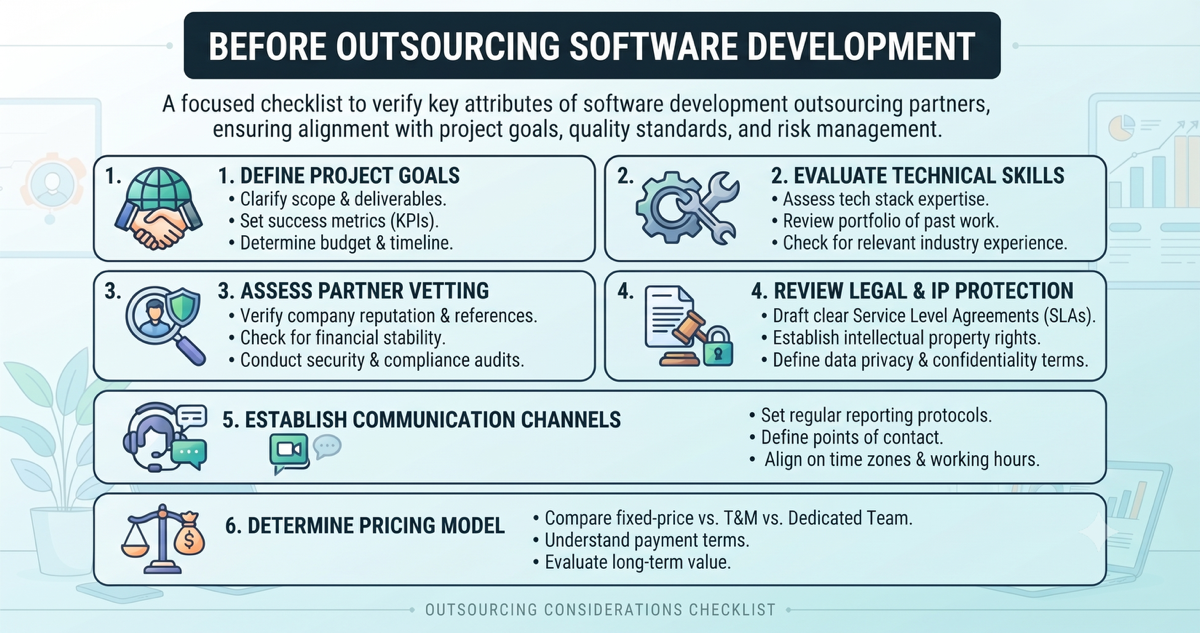
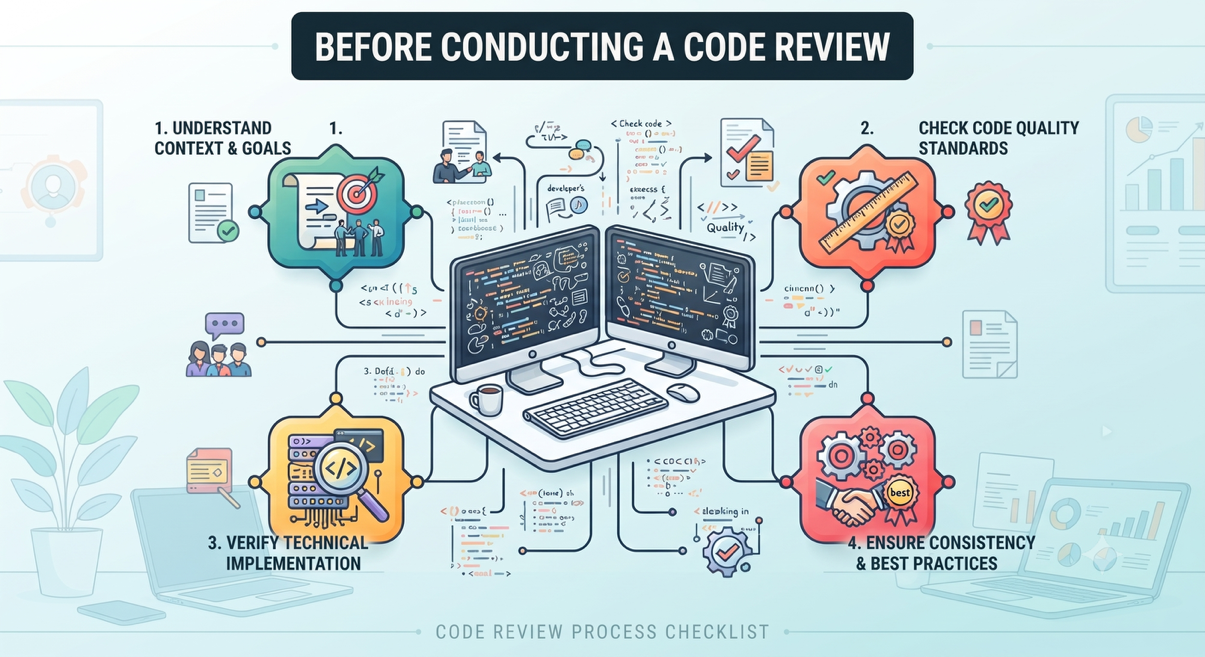
Related BuyWise guides: One Overlooked Aspect When Building a Startup · How to Optimize Console Storage Management · Before Outsourcing Software Development · Before Hiring Software Engineers · Before Conducting a Code Review.
Why this checklist matters
Buying Selling a Business is rarely about one feature. Total cost, reliability, paperwork, and post-purchase support all affect whether the decision still feels smart weeks later.
A structured checklist creates accountability: every important concern becomes an explicit step. That is especially useful when sales pressure or information overload kicks in.
In Business, small missed details often become expensive corrections. Completing this guide before commitment is usually cheaper than fixing a rushed purchase.
Complete checklist
Work through each section in order. Every item below includes practical guidance so you know what “done” looks like before you buy.
Financial Health
5 items1.Verify that the business has at least three years of audited financial statements with consistent accounting methods.
Inspect carefully in person or via a trusted checklist walkthrough. Look for defects, missing parts, and mismatches with the listing before you commit to Selling a Business.
2.Confirm revenue growth trend by comparing year-over-year revenue for the past three years; a decline of more than 10% in any year is a red flag.
Treat safety and fraud checks as non-negotiable. If anything feels rushed, opaque, or pressured, pause and verify before continuing with Selling a Business.
3.Check that gross profit margin is consistently above industry average; a margin below the industry benchmark for two consecutive years warrants further investigation.
Confirm the warranty length, what is covered, and who honors the claim (manufacturer vs seller). Ask what proof of purchase is required and whether extended coverage is worth the cost for Selling a Business.
4.Review debt-to-equity ratio; a ratio exceeding 2.0 indicates high financial risk and requires detailed scrutiny of repayment terms and covenants.
Inspect carefully in person or via a trusted checklist walkthrough. Look for defects, missing parts, and mismatches with the listing before you commit to Selling a Business.
5.Analyze cash flow statements to ensure operating cash flow is positive and covers at least 75% of total cash outflows for the last fiscal year.
Treat “Analyze cash flow statements to ensure operating cash flow is positive and covers at least 75% of total cash outflows for the last fiscal year.” as a decision gate, not a formality. Confirm the facts, note any uncertainty, and only proceed with Selling a Business when this point is clearly resolved.
Legal Compliance
5 items1.Verify all business licenses and permits are current and valid, with expiration dates documented and renewal processes noted.
Inspect carefully in person or via a trusted checklist walkthrough. Look for defects, missing parts, and mismatches with the listing before you commit to Selling a Business.
2.Confirm there are no outstanding litigation cases or unresolved disputes by reviewing the last three years of legal records and obtaining a current attorney affidavit.
Inspect carefully in person or via a trusted checklist walkthrough. Look for defects, missing parts, and mismatches with the listing before you commit to Selling a Business.
3.Examine all major contracts (suppliers, customers, employees) for termination clauses, renewal terms, and change-order procedures, ensuring none have lapsed or are in breach.
Inspect carefully in person or via a trusted checklist walkthrough. Look for defects, missing parts, and mismatches with the listing before you commit to Selling a Business.
4.Obtain a compliance certificate from relevant regulatory bodies (e.g., health department, OSHA, FCC) verifying adherence to all applicable standards within the past 12 months.
Inspect carefully in person or via a trusted checklist walkthrough. Look for defects, missing parts, and mismatches with the listing before you commit to Selling a Business.
5.Review environmental impact reports and permits, especially for manufacturing or chemical-handling businesses, to ensure no violations or cleanup orders exist.
Inspect carefully in person or via a trusted checklist walkthrough. Look for defects, missing parts, and mismatches with the listing before you commit to Selling a Business.
Asset Valuation
5 items1.Verify current market value of all tangible assets (e.g., machinery, vehicles) using recent appraisals or auction records, ensuring no overvaluation by at least 10%.
Inspect carefully in person or via a trusted checklist walkthrough. Look for defects, missing parts, and mismatches with the listing before you commit to Selling a Business.
2.Conduct a physical inventory count and reconcile with accounting records to confirm actual stock levels and identify any discrepancies exceeding 5%.
Treat “Conduct a physical inventory count and reconcile with accounting records to confirm actual stock levels and identify any discrepancies exceeding 5%.” as a decision gate, not a formality. Confirm the facts, note any uncertainty, and only proceed with Selling a Business when this point is clearly resolved.
3.Review intellectual property (IP) ownership documents (patents, trademarks, copyrights) to confirm they are current, transferable, and free from liens or disputes.
Inspect carefully in person or via a trusted checklist walkthrough. Look for defects, missing parts, and mismatches with the listing before you commit to Selling a Business.
4.Assess condition of critical equipment using maintenance logs and third-party inspections, noting any items with >50% depreciation that may require immediate repair or replacement.
Inspect carefully in person or via a trusted checklist walkthrough. Look for defects, missing parts, and mismatches with the listing before you commit to Selling a Business.
5.Identify any undisclosed liabilities tied to assets (e.g., pending lawsuits, environmental hazards) that could devalue the business upon sale.
Treat “Identify any undisclosed liabilities tied to assets (e.g., pending lawsuits, environmental hazards) that could devalue the business upon sale.” as a decision gate, not a formality. Confirm the facts, note any uncertainty, and only proceed with Selling a Business when this point is clearly resolved.
Operational Efficiency
5 items1.Verify that all critical business processes have documented standard operating procedures (SOPs) with version dates and responsible owners
Inspect carefully in person or via a trusted checklist walkthrough. Look for defects, missing parts, and mismatches with the listing before you commit to Selling a Business.
2.Conduct a 30-day staff productivity audit comparing actual output vs. budgeted targets across all departments, noting variances >10%
Compare total cost of ownership, not just the sticker price. Include taxes, delivery, setup, accessories, and likely maintenance for Selling a Business so your budget stays realistic.
3.Test supply chain reliability by simulating a 7-day supplier disruption and confirming backup vendors can maintain >90% inventory levels
Inspect carefully in person or via a trusted checklist walkthrough. Look for defects, missing parts, and mismatches with the listing before you commit to Selling a Business.
4.Validate technology infrastructure by running a 24-hour system resilience test that simulates peak load plus 20% and confirms no critical service interruptions
Inspect carefully in person or via a trusted checklist walkthrough. Look for defects, missing parts, and mismatches with the listing before you commit to Selling a Business.
5.Review equipment maintenance logs to confirm all mission-critical machinery has service records within the last 12 months and remaining life >60% of original spec
Inspect carefully in person or via a trusted checklist walkthrough. Look for defects, missing parts, and mismatches with the listing before you commit to Selling a Business.
Market Position
5 items1.Verify current market share percentage with recent third-party industry reports
Inspect carefully in person or via a trusted checklist walkthrough. Look for defects, missing parts, and mismatches with the listing before you commit to Selling a Business.
2.Confirm customer retention rate is above industry average (minimum 85% for stable sectors)
Treat “Confirm customer retention rate is above industry average (minimum 85% for stable sectors)” as a decision gate, not a formality. Confirm the facts, note any uncertainty, and only proceed with Selling a Business when this point is clearly resolved.
3.Identify top 3 competitors and document their market share, pricing strategies, and product feature comparisons
Collect and store every document: invoice, serial numbers, contracts, and warranties. Clear paperwork protects you if something goes wrong after buying Selling a Business.
4.Review latest customer satisfaction survey results (target Net Promoter Score above 50)
Inspect carefully in person or via a trusted checklist walkthrough. Look for defects, missing parts, and mismatches with the listing before you commit to Selling a Business.
5.Flag any brand reputation incidents in past 24 months (lawsuits, recalls, or major PR crises)
Match the exact model and specs to your needs. Marketing language can hide important differences that affect long-term satisfaction with Selling a Business.
Buyer Readiness
5 items1.Confirm that the due diligence document package includes signed financial statements for the last three years, audited by a certified public accountant.
Collect and store every document: invoice, serial numbers, contracts, and warranties. Clear paperwork protects you if something goes wrong after buying Selling a Business.
2.Verify that the business valuation report uses a recognized method (e.g., discounted cash flow, market approach) and includes a sensitivity analysis for key assumptions.
Inspect carefully in person or via a trusted checklist walkthrough. Look for defects, missing parts, and mismatches with the listing before you commit to Selling a Business.
3.Prepare a communication plan that outlines key selling points, anticipated buyer questions, and responses, including any known liabilities or risks.
Treat safety and fraud checks as non-negotiable. If anything feels rushed, opaque, or pressured, pause and verify before continuing with Selling a Business.
4.Ensure all legal documents (e.g., contracts, permits, intellectual property rights) are organized and ready for review, with expiration dates and renewal terms clearly noted.
Inspect carefully in person or via a trusted checklist walkthrough. Look for defects, missing parts, and mismatches with the listing before you commit to Selling a Business.
5.Conduct a pre-due diligence simulation with a mock buyer to identify gaps in documentation or unclear explanations, and revise materials accordingly.
Collect and store every document: invoice, serial numbers, contracts, and warranties. Clear paperwork protects you if something goes wrong after buying Selling a Business.
Common mistakes
- Trusting marketing claims without verifying specs, condition, or seller policies.
- Leaving paperwork to the end, then discovering missing warranties or unclear terms.
- Letting urgency or scarcity pressure override unfinished checklist items.
- Skipping a second quote or comparison and accepting the first “good enough” option for Selling a Business.
Expert buying tips
- If a seller resists verification, treat that as a signal—not a negotiation tactic.
- Write your must-haves before browsing so shiny extras do not redefine the purchase.
- Capture evidence as you go—photos, screenshots, model numbers, and written quotes.
- Decide your walk-away conditions in advance (budget ceiling, deal-breakers, timing).
Frequently asked questions
What is a Selling a Business checklist?
A Selling a Business checklist is a structured set of checks to complete before you buy. BuyWise organizes the process into sections such as Financial Health, Legal Compliance, Asset Valuation so you do not miss costly details.
Why should I use a checklist before buying Selling a Business?
Most buying regrets come from skipped details—compatibility, total cost, warranty, or seller risk. A checklist forces those checks into a clear order so your business decision is calmer and more complete.
How long does the selling a business checklist take?
Most people can work through the core checks in one focused session, then revisit anything unresolved. Complex purchases may need a second pass after quotes, inspections, or comparisons.
What are common mistakes when buying Selling a Business?
Rushing the decision, comparing only sticker price, skipping paperwork, and ignoring return or warranty terms. The sections in this guide are designed to catch those failure points early.
Is this selling a business checklist free?
Yes. This guide is free to read on the web, and you can also open it in the BuyWise app to tick items and save progress offline.
Can I customize this checklist?
In the BuyWise app you can track progress, keep notes, and build personal checklists for decisions that need extra steps beyond this published framework.
Who is this checklist for?
Anyone preparing to buy Selling a Business—first-time buyers, careful researchers, and people who want a repeatable framework instead of scattered notes across tabs and chats.
How is BuyWise different from a random blog list?
BuyWise checklists are structured for action: ordered sections, tickable items, offline progress, and related guides for the next decision in the same buying journey.
Conclusion
If you complete the checks in this selling a business checklist, you will know what is verified, what is still open, and whether the purchase deserves a yes.
Open the same checklist in the BuyWise app to track progress offline, revisit unfinished items, and continue into related buying guides when the next decision appears.