BuyWise checklist blog
Before Starting a Vegetable Garden: Complete Buying Checklist
This checklist helps you evaluate key factors to ensure a successful and sustainable vegetable garden.
Introduction
This starting a vegetable garden checklist helps you make a clearer decision before money leaves your account. Instead of juggling scattered advice, you work through a practical sequence designed for real-world buying.
This checklist helps you evaluate key factors to ensure a successful and sustainable vegetable garden.
Use the sections below as a working framework. Tick what you can verify now, flag what is still unclear, and only proceed when the important unknowns are resolved.
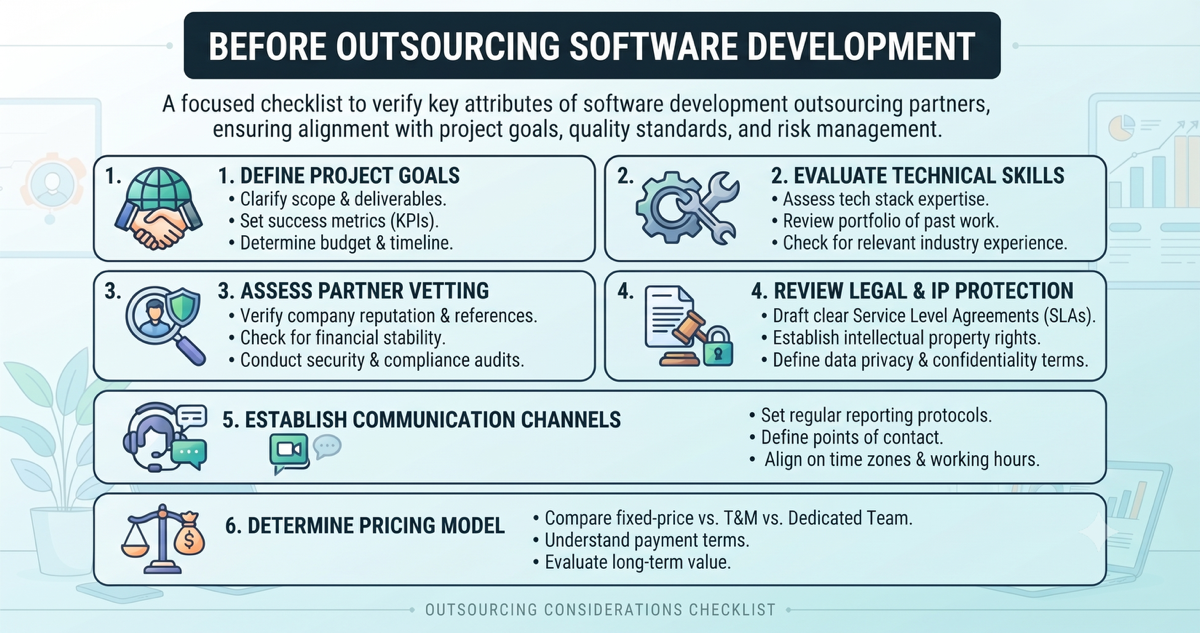
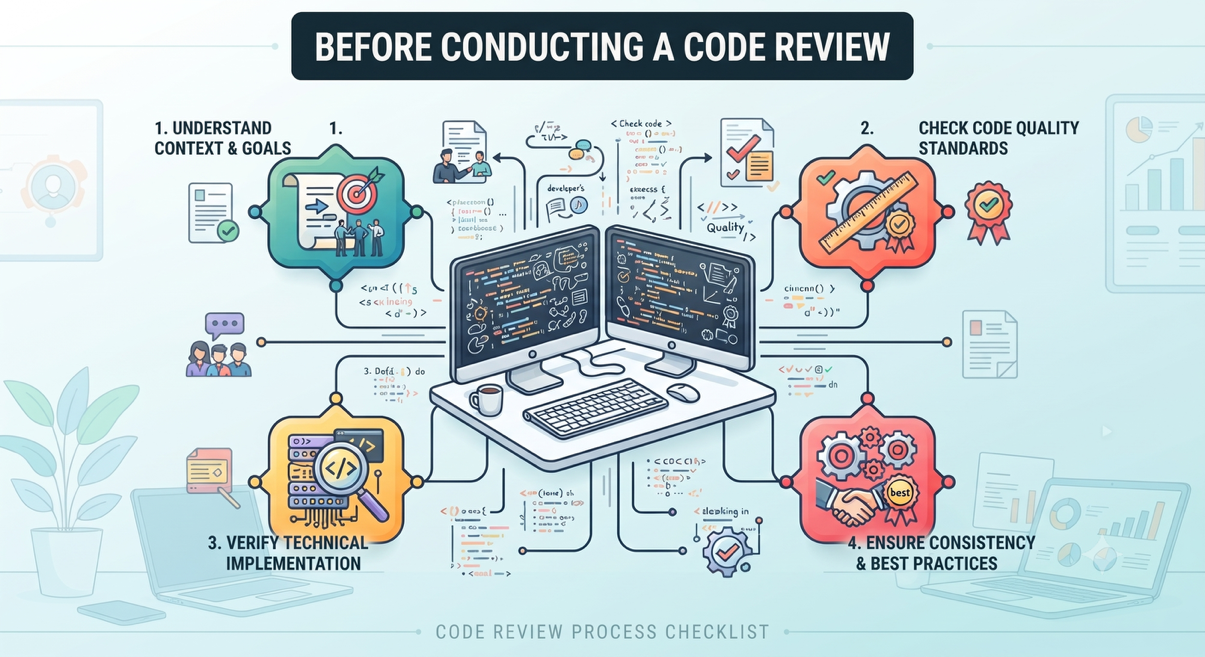
Related BuyWise guides: Before Selling Your Home · How to Optimize Console Storage Management · Before Outsourcing Software Development · Before Hiring Software Engineers · Before Conducting a Code Review.
Why this checklist matters
Buying Starting a Vegetable Garden is rarely about one feature. Total cost, reliability, paperwork, and post-purchase support all affect whether the decision still feels smart weeks later.
A structured checklist creates accountability: every important concern becomes an explicit step. That is especially useful when sales pressure or information overload kicks in.
In Home, small missed details often become expensive corrections. Completing this guide before commitment is usually cheaper than fixing a rushed purchase.
Complete checklist
Work through each section in order. Every item below includes practical guidance so you know what “done” looks like before you buy.
Soil quality
4 items1.Test soil pH using a calibrated pH meter and confirm it falls between 6.0 and 7.0 for optimal vegetable growth
Inspect carefully in person or via a trusted checklist walkthrough. Look for defects, missing parts, and mismatches with the listing before you commit to Starting a Vegetable Garden.
2.Conduct a nutrient analysis (N-P-K) and verify nitrogen is at least 140 ppm, phosphorus 60 ppm, and potassium 200 ppm
Inspect carefully in person or via a trusted checklist walkthrough. Look for defects, missing parts, and mismatches with the listing before you commit to Starting a Vegetable Garden.
3.Perform a texture ribbon test and classify soil as loamy (ideal), sandy, or clayey; adjust with compost or sand as needed
Inspect carefully in person or via a trusted checklist walkthrough. Look for defects, missing parts, and mismatches with the listing before you commit to Starting a Vegetable Garden.
4.Measure organic matter content via loss-on-ignition method and ensure it is at least 3% to support microbial activity
Measure twice and match specifications to your real constraints. Compatibility mistakes are one of the most expensive errors with Starting a Vegetable Garden.
Sunlight exposure
4 items1.Use a light meter app or handheld light meter to record average daily sunlight hours for the chosen garden spot, aiming for at least 6–8 hours of direct sunlight.
Treat “Use a light meter app or handheld light meter to record average daily sunlight hours for the chosen garden spot, aiming for at least 6–8 hours of direct sunlight.” as a decision gate, not a formality. Confirm the facts, note any uncertainty, and only proceed with Starting a Vegetable Garden when this point is clearly resolved.
2.Sketch or photograph nearby structures (e.g., buildings, fences) and trees, noting their height and distance, to calculate potential shading during peak sun hours (10 am–4 pm).
Treat “Sketch or photograph nearby structures (e.g., buildings, fences) and trees, noting their height and distance, to calculate potential shading during peak sun hours (10 am–4 pm).” as a decision gate, not a formality. Confirm the facts, note any uncertainty, and only proceed with Starting a Vegetable Garden when this point is clearly resolved.
3.Observe the garden spot throughout a full sunny day to identify any intermittent shading (e.g., from passing clouds or moving branches) that could reduce effective sunlight below 6 hours.
Treat “Observe the garden spot throughout a full sunny day to identify any intermittent shading (e.g., from passing clouds or moving branches) that could reduce effective sunlight below 6 hours.” as a decision gate, not a formality. Confirm the facts, note any uncertainty, and only proceed with Starting a Vegetable Garden when this point is clearly resolved.
4.Test soil in the chosen spot with a soil test kit to confirm it drains well, as poor drainage can exacerbate sunlight-related stress in plants.
Inspect carefully in person or via a trusted checklist walkthrough. Look for defects, missing parts, and mismatches with the listing before you commit to Starting a Vegetable Garden.
Water access
4 items1.Verify distance to nearest water source is within 50 feet and confirm availability of appropriate hose connection (garden hose, drip irrigation, or sprinkler compatibility).
Inspect carefully in person or via a trusted checklist walkthrough. Look for defects, missing parts, and mismatches with the listing before you commit to Starting a Vegetable Garden.
2.Test irrigation system pressure with a pressure gauge; ensure it maintains at least 40 PSI to effectively reach all garden zones.
Inspect carefully in person or via a trusted checklist walkthrough. Look for defects, missing parts, and mismatches with the listing before you commit to Starting a Vegetable Garden.
3.Check soil drainage by digging a 12-inch deep hole, filling it with water, and timing how long it takes to drain completely; drainage should be complete within 8 hours.
Inspect carefully in person or via a trusted checklist walkthrough. Look for defects, missing parts, and mismatches with the listing before you commit to Starting a Vegetable Garden.
4.Confirm presence of any water restrictions by contacting local municipal water authority and review seasonal usage limits.
Inspect carefully in person or via a trusted checklist walkthrough. Look for defects, missing parts, and mismatches with the listing before you commit to Starting a Vegetable Garden.
Climate zone
4 items1.Verify your USDA Hardiness Zone using official USDA Plant Hardiness Zone Map, noting minimum winter temperature range (e.g., -5°F to 0°F)
Inspect carefully in person or via a trusted checklist walkthrough. Look for defects, missing parts, and mismatches with the listing before you commit to Starting a Vegetable Garden.
2.Obtain first and last frost dates for your area from National Weather Service or local agricultural extension service
Treat “Obtain first and last frost dates for your area from National Weather Service or local agricultural extension service” as a decision gate, not a formality. Confirm the facts, note any uncertainty, and only proceed with Starting a Vegetable Garden when this point is clearly resolved.
3.Cross-reference selected vegetable varieties with their recommended hardiness zones to ensure compatibility
Measure twice and match specifications to your real constraints. Compatibility mistakes are one of the most expensive errors with Starting a Vegetable Garden.
4.Check for microclimate variations (e.g., urban heat island effect, cold pockets near bodies of water) that may shift effective frost dates by ±3–7 days
Inspect carefully in person or via a trusted checklist walkthrough. Look for defects, missing parts, and mismatches with the listing before you commit to Starting a Vegetable Garden.
Pest and disease risk
4 items1.Consult local agricultural extension office or university for a list of the top 5 pest and disease threats specific to your ZIP code and soil type.
Match the exact model and specs to your needs. Marketing language can hide important differences that affect long-term satisfaction with Starting a Vegetable Garden.
2.Verify that at least 3 of your planned vegetable varieties are rated 'resistant' or 'immune' to the identified local fungal diseases (e.g., powdery mildew, blight) in the seed catalog disease resistance codes.
Inspect carefully in person or via a trusted checklist walkthrough. Look for defects, missing parts, and mismatches with the listing before you commit to Starting a Vegetable Garden.
3.Purchase and store appropriate organic preventive treatments (e.g., Bacillus thuringiensis for caterpillars, copper-based fungicides for powdery mildew) before planting begins.
Treat “Purchase and store appropriate organic preventive treatments (e.g., Bacillus thuringiensis for caterpillars, copper-based fungicides for powdery mildew) before planting begins.” as a decision gate, not a formality. Confirm the facts, note any uncertainty, and only proceed with Starting a Vegetable Garden when this point is clearly resolved.
4.Map out a crop rotation plan that ensures no family of vegetables (e.g., Nightshades: tomatoes, peppers) is planted in the same soil consecutively for at least 3 growing seasons.
Treat “Map out a crop rotation plan that ensures no family of vegetables (e.g., Nightshades: tomatoes, peppers) is planted in the same soil consecutively for at least 3 growing seasons.” as a decision gate, not a formality. Confirm the facts, note any uncertainty, and only proceed with Starting a Vegetable Garden when this point is clearly resolved.
Common mistakes
- Leaving paperwork to the end, then discovering missing warranties or unclear terms.
- Letting urgency or scarcity pressure override unfinished checklist items.
- Skipping a second quote or comparison and accepting the first “good enough” option for Starting a Vegetable Garden.
- Focusing only on upfront price while ignoring fees, maintenance, or replacement risk.
Expert buying tips
- Write your must-haves before browsing so shiny extras do not redefine the purchase.
- Capture evidence as you go—photos, screenshots, model numbers, and written quotes.
- Decide your walk-away conditions in advance (budget ceiling, deal-breakers, timing).
- Revisit the checklist after sleep or a short break; fresh eyes catch expensive misses.
Frequently asked questions
What is a Starting a Vegetable Garden checklist?
A Starting a Vegetable Garden checklist is a structured set of checks to complete before you buy. BuyWise organizes the process into sections such as Soil quality, Sunlight exposure, Water access so you do not miss costly details.
Why should I use a checklist before buying Starting a Vegetable Garden?
Most buying regrets come from skipped details—compatibility, total cost, warranty, or seller risk. A checklist forces those checks into a clear order so your home decision is calmer and more complete.
How long does the starting a vegetable garden checklist take?
Most people can work through the core checks in one focused session, then revisit anything unresolved. Complex purchases may need a second pass after quotes, inspections, or comparisons.
What are common mistakes when buying Starting a Vegetable Garden?
Rushing the decision, comparing only sticker price, skipping paperwork, and ignoring return or warranty terms. The sections in this guide are designed to catch those failure points early.
Is this starting a vegetable garden checklist free?
Yes. This guide is free to read on the web, and you can also open it in the BuyWise app to tick items and save progress offline.
Can I customize this checklist?
In the BuyWise app you can track progress, keep notes, and build personal checklists for decisions that need extra steps beyond this published framework.
Who is this checklist for?
Anyone preparing to buy Starting a Vegetable Garden—first-time buyers, careful researchers, and people who want a repeatable framework instead of scattered notes across tabs and chats.
How is BuyWise different from a random blog list?
BuyWise checklists are structured for action: ordered sections, tickable items, offline progress, and related guides for the next decision in the same buying journey.
Conclusion
If you complete the checks in this starting a vegetable garden checklist, you will know what is verified, what is still open, and whether the purchase deserves a yes.
Open the same checklist in the BuyWise app to track progress offline, revisit unfinished items, and continue into related buying guides when the next decision appears.