BuyWise checklist blog
Before Validating a Startup Idea: Complete Buying Checklist
A focused checklist to evaluate the viability and risks of a startup concept before committing resources.
Introduction
This validating a startup idea checklist helps you make a clearer decision before money leaves your account. Instead of juggling scattered advice, you work through a practical sequence designed for real-world buying.
A focused checklist to evaluate the viability and risks of a startup concept before committing resources.
Use the sections below as a working framework. Tick what you can verify now, flag what is still unclear, and only proceed when the important unknowns are resolved.
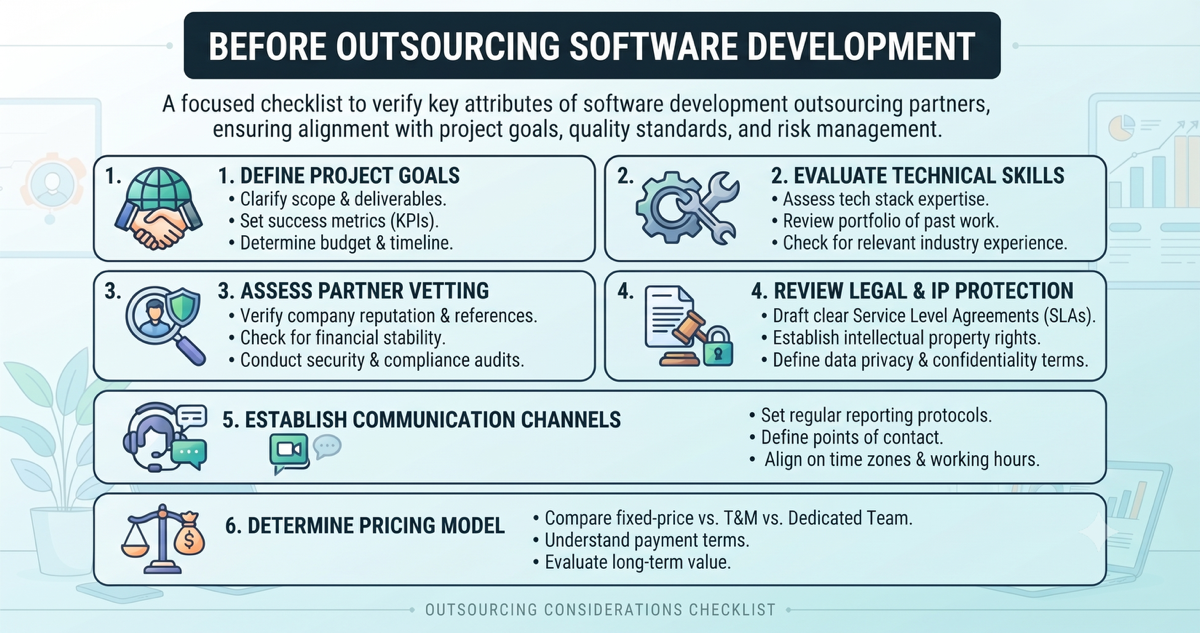
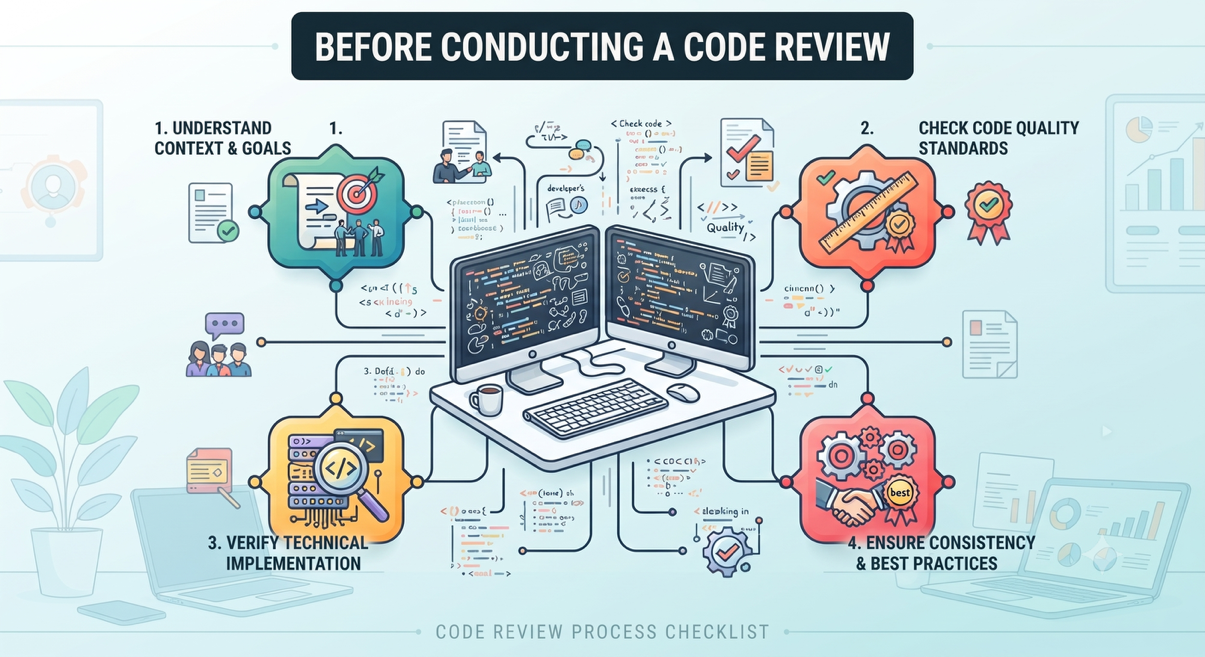
Related BuyWise guides: One Overlooked Aspect When Building a Startup · How to Optimize Console Storage Management · Before Outsourcing Software Development · Before Hiring Software Engineers · Before Conducting a Code Review.
Why this checklist matters
Buying Validating a Startup Idea is rarely about one feature. Total cost, reliability, paperwork, and post-purchase support all affect whether the decision still feels smart weeks later.
A structured checklist creates accountability: every important concern becomes an explicit step. That is especially useful when sales pressure or information overload kicks in.
In Business, small missed details often become expensive corrections. Completing this guide before commitment is usually cheaper than fixing a rushed purchase.
Complete checklist
Work through each section in order. Every item below includes practical guidance so you know what “done” looks like before you buy.
Market demand verification
5 items1.Conduct at least three focus groups with target customers, recording verbatim responses to confirm pain points and willingness to pay.
Treat “Conduct at least three focus groups with target customers, recording verbatim responses to confirm pain points and willingness to pay.” as a decision gate, not a formality. Confirm the facts, note any uncertainty, and only proceed with Validating a Startup Idea when this point is clearly resolved.
2.Analyze at least 100 relevant online reviews (e.g., Amazon, App Store) for recurring complaints or desires that your solution addresses.
Inspect carefully in person or via a trusted checklist walkthrough. Look for defects, missing parts, and mismatches with the listing before you commit to Validating a Startup Idea.
3.Run a pre-order or early-bird campaign with a clear price cap; if fewer than 10% of target customers commit within two weeks, consider re-evaluating demand.
Compare total cost of ownership, not just the sticker price. Include taxes, delivery, setup, accessories, and likely maintenance for Validating a Startup Idea so your budget stays realistic.
4.Secure signed statements from three potential customers agreeing to pay your proposed price within 30 days for a beta version.
Compare total cost of ownership, not just the sticker price. Include taxes, delivery, setup, accessories, and likely maintenance for Validating a Startup Idea so your budget stays realistic.
5.Track search volume trends for your core problem keywords over the past 12 months using tools like Google Trends; a decline of >15% may indicate waning interest.
Treat “Track search volume trends for your core problem keywords over the past 12 months using tools like Google Trends; a decline of >15% may indicate waning interest.” as a decision gate, not a formality. Confirm the facts, note any uncertainty, and only proceed with Validating a Startup Idea when this point is clearly resolved.
Competitive analysis depth
5 items1.Map at least 5 direct competitors with their market share percentages from credible sources (e.g., Statista, PitchBook)
Treat “Map at least 5 direct competitors with their market share percentages from credible sources (e.g., Statista, PitchBook)” as a decision gate, not a formality. Confirm the facts, note any uncertainty, and only proceed with Validating a Startup Idea when this point is clearly resolved.
2.Document each competitor's unique selling proposition (USP) and compare it to your proposed solution in a side-by-side matrix
Shortlist 2–3 strong alternatives and compare them on the criteria that matter most for Business. Write down trade-offs so you do not decide from memory alone.
3.Identify any patented technologies or exclusive partnerships held by competitors that would create barriers to your entry
Confirm delivery or installation timelines, responsibilities, and fees in writing. Surprises here often erase the value of a good deal on Validating a Startup Idea.
4.Analyze competitor pricing models (e.g., subscription tiers, freemium, one-time purchase) and calculate your break-even point at each price point
Compare total cost of ownership, not just the sticker price. Include taxes, delivery, setup, accessories, and likely maintenance for Validating a Startup Idea so your budget stays realistic.
5.Review competitor customer reviews (minimum 100 per major platform) to catalog recurring complaints and missed feature requests
Inspect carefully in person or via a trusted checklist walkthrough. Look for defects, missing parts, and mismatches with the listing before you commit to Validating a Startup Idea.
Financial projection realism
5 items1.Confirm break-even point calculations use actual unit costs, not estimates, and include all fixed and variable expenses
Compare total cost of ownership, not just the sticker price. Include taxes, delivery, setup, accessories, and likely maintenance for Validating a Startup Idea so your budget stays realistic.
2.Validate 12-month cash flow projection against at least 6 months of actual operating data or industry benchmarks
Treat “Validate 12-month cash flow projection against at least 6 months of actual operating data or industry benchmarks” as a decision gate, not a formality. Confirm the facts, note any uncertainty, and only proceed with Validating a Startup Idea when this point is clearly resolved.
3.Identify months where projected cash flow turns negative and create contingency plans (e.g., reserve fund, credit line)
Treat “Identify months where projected cash flow turns negative and create contingency plans (e.g., reserve fund, credit line)” as a decision gate, not a formality. Confirm the facts, note any uncertainty, and only proceed with Validating a Startup Idea when this point is clearly resolved.
4.Test sensitivity of break-even analysis to ±20% changes in key variables (e.g., customer acquisition cost, average order value)
Compare total cost of ownership, not just the sticker price. Include taxes, delivery, setup, accessories, and likely maintenance for Validating a Startup Idea so your budget stays realistic.
5.Cross-check projected revenue with market size data to ensure it represents a feasible share (e.g., <5% of total addressable market)
Inspect carefully in person or via a trusted checklist walkthrough. Look for defects, missing parts, and mismatches with the listing before you commit to Validating a Startup Idea.
Technical implementation scope
5 items1.Confirm the core algorithm can process 1,000 transactions/second on a standard AWS t3.medium instance without latency exceeding 200ms
Treat “Confirm the core algorithm can process 1,000 transactions/second on a standard AWS t3.medium instance without latency exceeding 200ms” as a decision gate, not a formality. Confirm the facts, note any uncertainty, and only proceed with Validating a Startup Idea when this point is clearly resolved.
2.Verify all required third-party API rate limits (e.g., Stripe, Google Maps) support projected peak usage with 30% safety margin
Inspect carefully in person or via a trusted checklist walkthrough. Look for defects, missing parts, and mismatches with the listing before you commit to Validating a Startup Idea.
3.Document minimum supported OS versions (e.g., iOS 13+, Android 9+) and test on 3 devices per OS major version
Inspect carefully in person or via a trusted checklist walkthrough. Look for defects, missing parts, and mismatches with the listing before you commit to Validating a Startup Idea.
4.Identify any dependency on hardware sensors (e.g., GPS accuracy < 5m, camera resolution ≥ 12MP) and confirm target device penetration > 60% in core markets
Treat “Identify any dependency on hardware sensors (e.g., GPS accuracy < 5m, camera resolution ≥ 12MP) and confirm target device penetration > 60% in core markets” as a decision gate, not a formality. Confirm the facts, note any uncertainty, and only proceed with Validating a Startup Idea when this point is clearly resolved.
5.Calculate total expected development hours (design + front-end + back-end + testing) and compare against budget; flag if > 20% over estimate
Compare total cost of ownership, not just the sticker price. Include taxes, delivery, setup, accessories, and likely maintenance for Validating a Startup Idea so your budget stays realistic.
Regulatory and legal exposure
5 items1.Identify all federal, state, and local licenses required for operation and confirm none are missing
Treat “Identify all federal, state, and local licenses required for operation and confirm none are missing” as a decision gate, not a formality. Confirm the facts, note any uncertainty, and only proceed with Validating a Startup Idea when this point is clearly resolved.
2.Calculate estimated annual compliance costs including legal counsel, audits, and reporting fees
Compare total cost of ownership, not just the sticker price. Include taxes, delivery, setup, accessories, and likely maintenance for Validating a Startup Idea so your budget stays realistic.
3.Verify data privacy laws applicability (e.g., GDPR, CCPA) and draft necessary consent mechanisms
Inspect carefully in person or via a trusted checklist walkthrough. Look for defects, missing parts, and mismatches with the listing before you commit to Validating a Startup Idea.
4.Confirm product safety standards compliance (e.g., FCC, CE, UL) with test reports attached
Inspect carefully in person or via a trusted checklist walkthrough. Look for defects, missing parts, and mismatches with the listing before you commit to Validating a Startup Idea.
5.Review contract templates for IP assignment, liability limits, and termination clauses with an attorney
Inspect carefully in person or via a trusted checklist walkthrough. Look for defects, missing parts, and mismatches with the listing before you commit to Validating a Startup Idea.
Common mistakes
- Letting urgency or scarcity pressure override unfinished checklist items.
- Skipping a second quote or comparison and accepting the first “good enough” option for Validating a Startup Idea.
- Focusing only on upfront price while ignoring fees, maintenance, or replacement risk.
- Trusting marketing claims without verifying specs, condition, or seller policies.
Expert buying tips
- Capture evidence as you go—photos, screenshots, model numbers, and written quotes.
- Decide your walk-away conditions in advance (budget ceiling, deal-breakers, timing).
- Revisit the checklist after sleep or a short break; fresh eyes catch expensive misses.
- If a seller resists verification, treat that as a signal—not a negotiation tactic.
Frequently asked questions
What is a Validating a Startup Idea checklist?
A Validating a Startup Idea checklist is a structured set of checks to complete before you buy. BuyWise organizes the process into sections such as Market demand verification, Competitive analysis depth, Financial projection realism so you do not miss costly details.
Why should I use a checklist before buying Validating a Startup Idea?
Most buying regrets come from skipped details—compatibility, total cost, warranty, or seller risk. A checklist forces those checks into a clear order so your business decision is calmer and more complete.
How long does the validating a startup idea checklist take?
Most people can work through the core checks in one focused session, then revisit anything unresolved. Complex purchases may need a second pass after quotes, inspections, or comparisons.
What are common mistakes when buying Validating a Startup Idea?
Rushing the decision, comparing only sticker price, skipping paperwork, and ignoring return or warranty terms. The sections in this guide are designed to catch those failure points early.
Is this validating a startup idea checklist free?
Yes. This guide is free to read on the web, and you can also open it in the BuyWise app to tick items and save progress offline.
Can I customize this checklist?
In the BuyWise app you can track progress, keep notes, and build personal checklists for decisions that need extra steps beyond this published framework.
Who is this checklist for?
Anyone preparing to buy Validating a Startup Idea—first-time buyers, careful researchers, and people who want a repeatable framework instead of scattered notes across tabs and chats.
How is BuyWise different from a random blog list?
BuyWise checklists are structured for action: ordered sections, tickable items, offline progress, and related guides for the next decision in the same buying journey.
Conclusion
If you complete the checks in this validating a startup idea checklist, you will know what is verified, what is still open, and whether the purchase deserves a yes.
Open the same checklist in the BuyWise app to track progress offline, revisit unfinished items, and continue into related buying guides when the next decision appears.